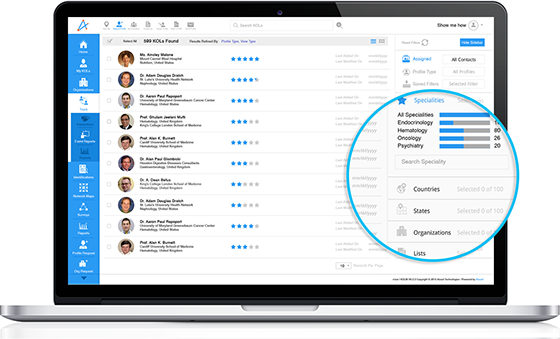

HCP engagement has become more active and complex than ever before. With touchpoints multiplying across Medical Affairs and Commercial teams, organizations must move faster to synthesize field data. Strategy teams need to transform every interaction into an actionable insight, providing leadership with the visibility required to see exactly where the needle is moving. ... Read this blog
Scientific organizations today have access to more data than ever before. Yet despite this abundance, scientific engagement often feels fragmented and reactive. ... Read this blog
Despite frequent interaction, the HCP-pharma relationship in cardiology often falls short of delivering meaningful value. For HCPs, increasing clinical complexity, limited time, and information overload have raised expectations. ... Read this blog
Product launches unfold under immense pressure. Timelines are accelerated, expectations are high, and early perceptions can shape a product’s trajectory for years to come. In this context, teams cannot afford to rely on broad KOL (Key Opinion Leader) lists. ... Read this blog
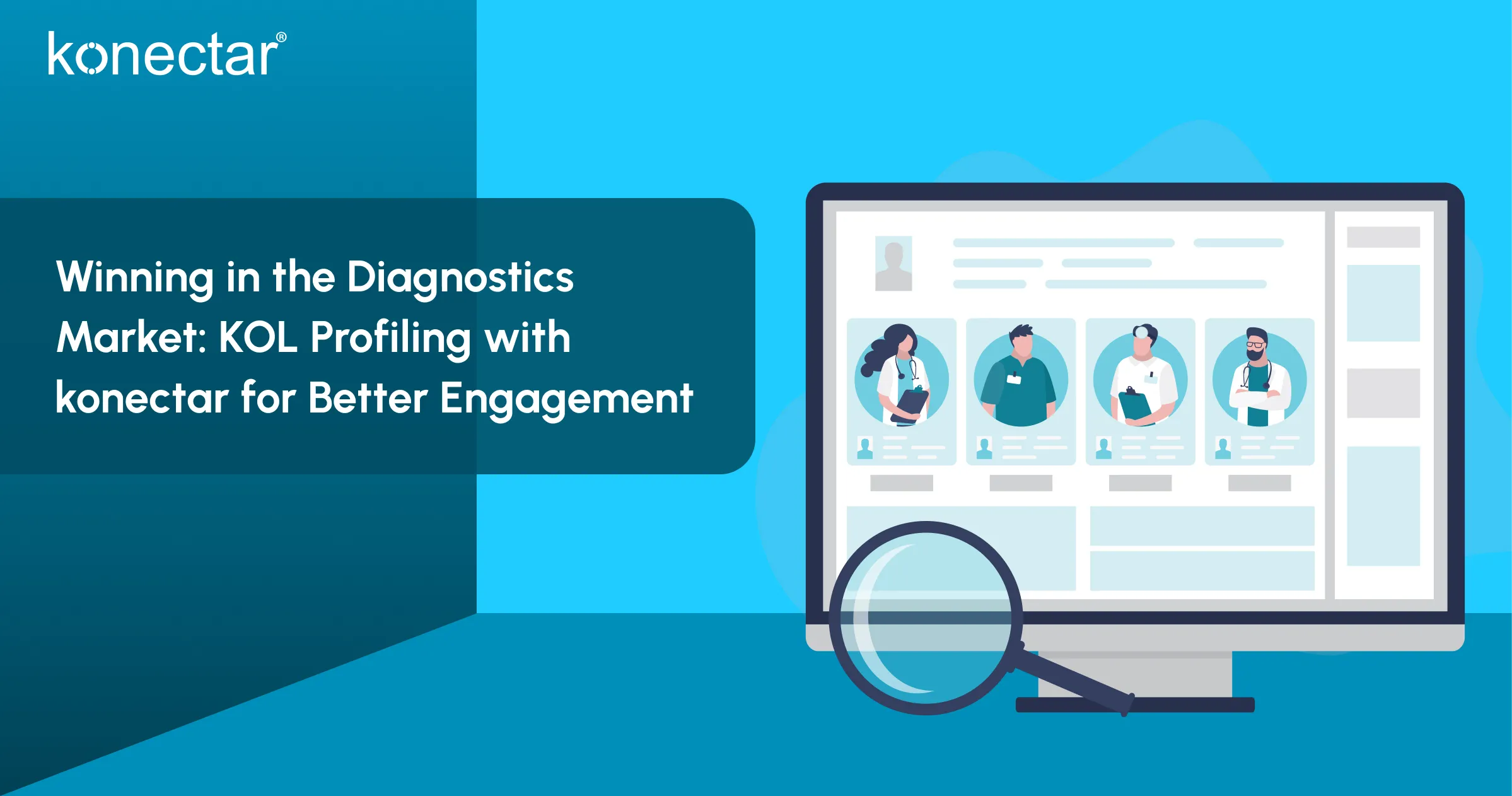
Influence among diagnostic companies is built on evidence, credibility, and the ability to shape clinical judgement. As diagnostic technologies grow more sophisticated and data-driven, the conversations that define market success have shifted. ... Read this blog

In the MedTech industry, advisory panels play a pivotal role in shaping product innovation, clinical strategy, regulatory readiness, and commercial success. ... Read this blog
As CNS healthcare professionals increasingly adopt digital channels for learning, collaboration, and sharing perspectives, engagement strategies must evolve in parallel. ... Read this blog
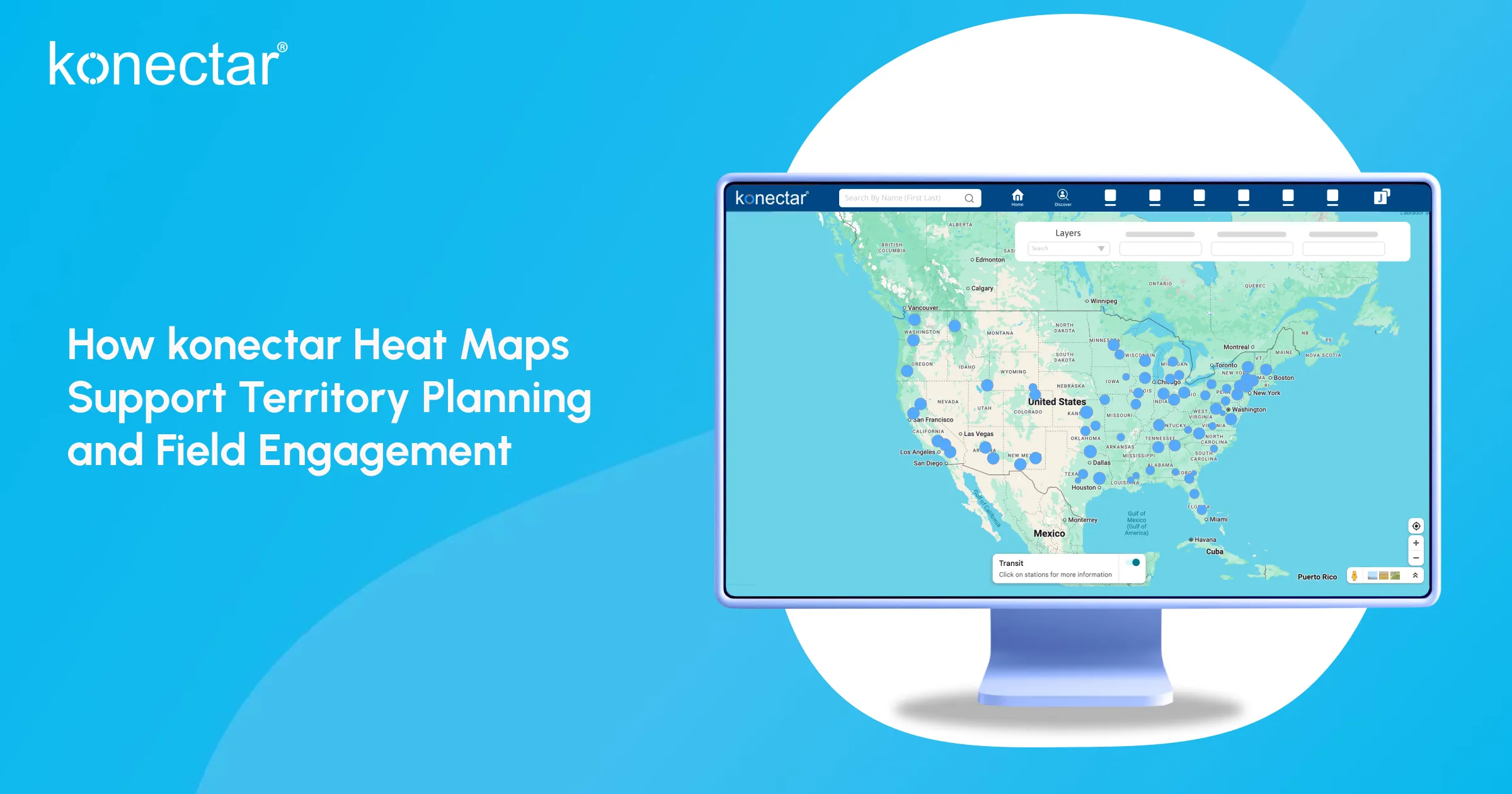
Field teams are under immense pressure to cover more HCPs with fewer resources. Territories that once made sense on spreadsheets quickly become misaligned with market dynamics as new specialists emerge or referral patterns shift, leading to uneven engagement. ... Read this blog
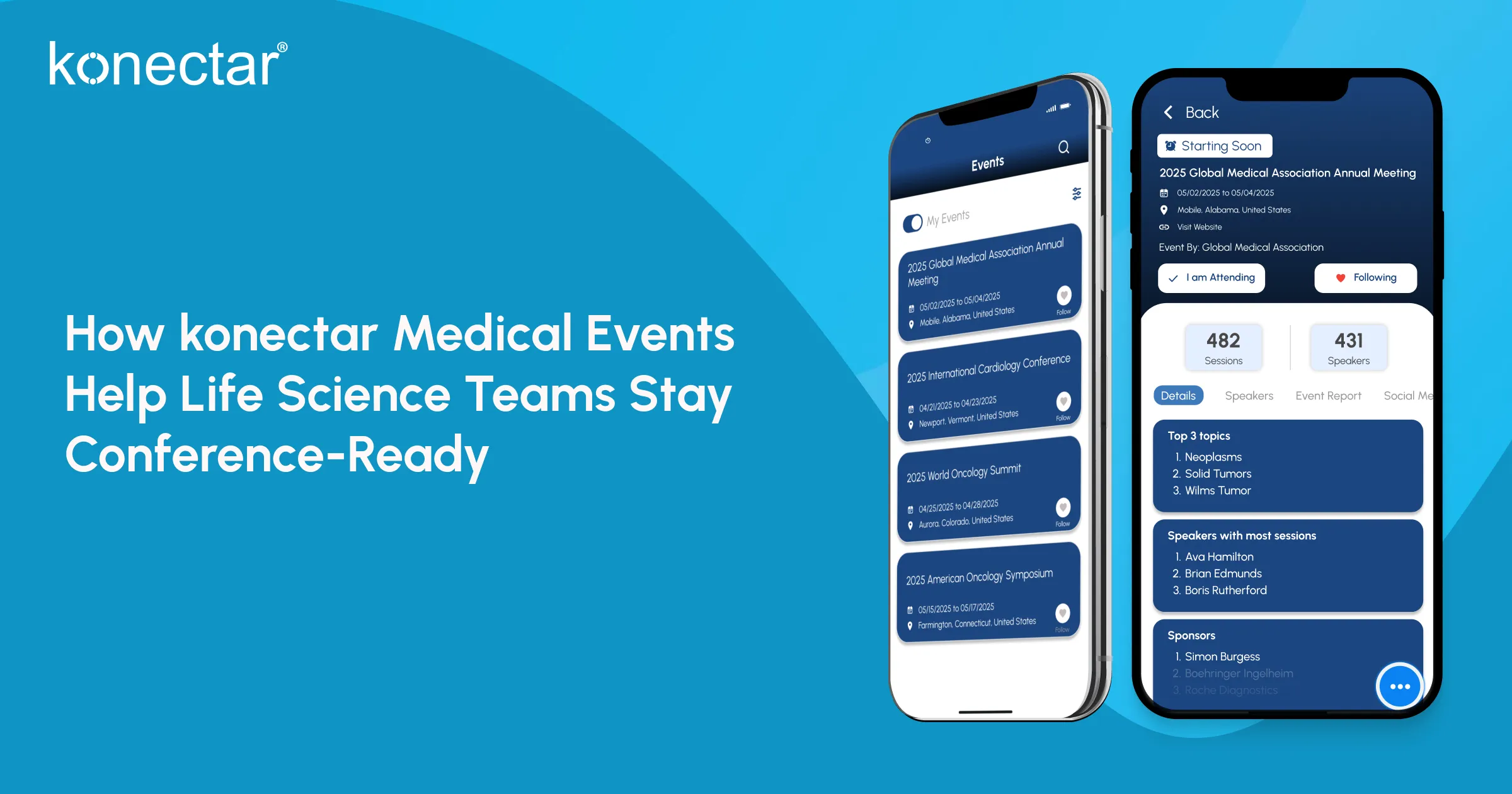
Medical conferences have transformed from simple knowledge-sharing platforms into strategic arenas where scientific credibility, competitive intelligence, and relationship-building converge. ... Read this blog

Cardiology clinical trials are among the most complex in medicine, spanning multicenter, multinational sites and involving a range of subspecialties, from interventional cardiology to heart failure, electrophysiology, and structural heart disease. ... Read this blog

The growing inclusion of patient-centric practices has fundamentally reshaped how life sciences organizations define the value of insights. When acted on effectively, medical insights can shape priorities, inform evidence generation, refine protocols, and ultimately ensure that patient needs are reflected in clinical and real-world outcomes. ... Read this blog
Every therapeutic area has its own ecosystem of clinicians, investigators, educators, and emerging specialists who shape how new evidence is interpreted and how medical decisions evolve. ... Read this blog
Recommended