30-09-2026
Medical Affairs Analytics Tools for Driving HCP Engagement
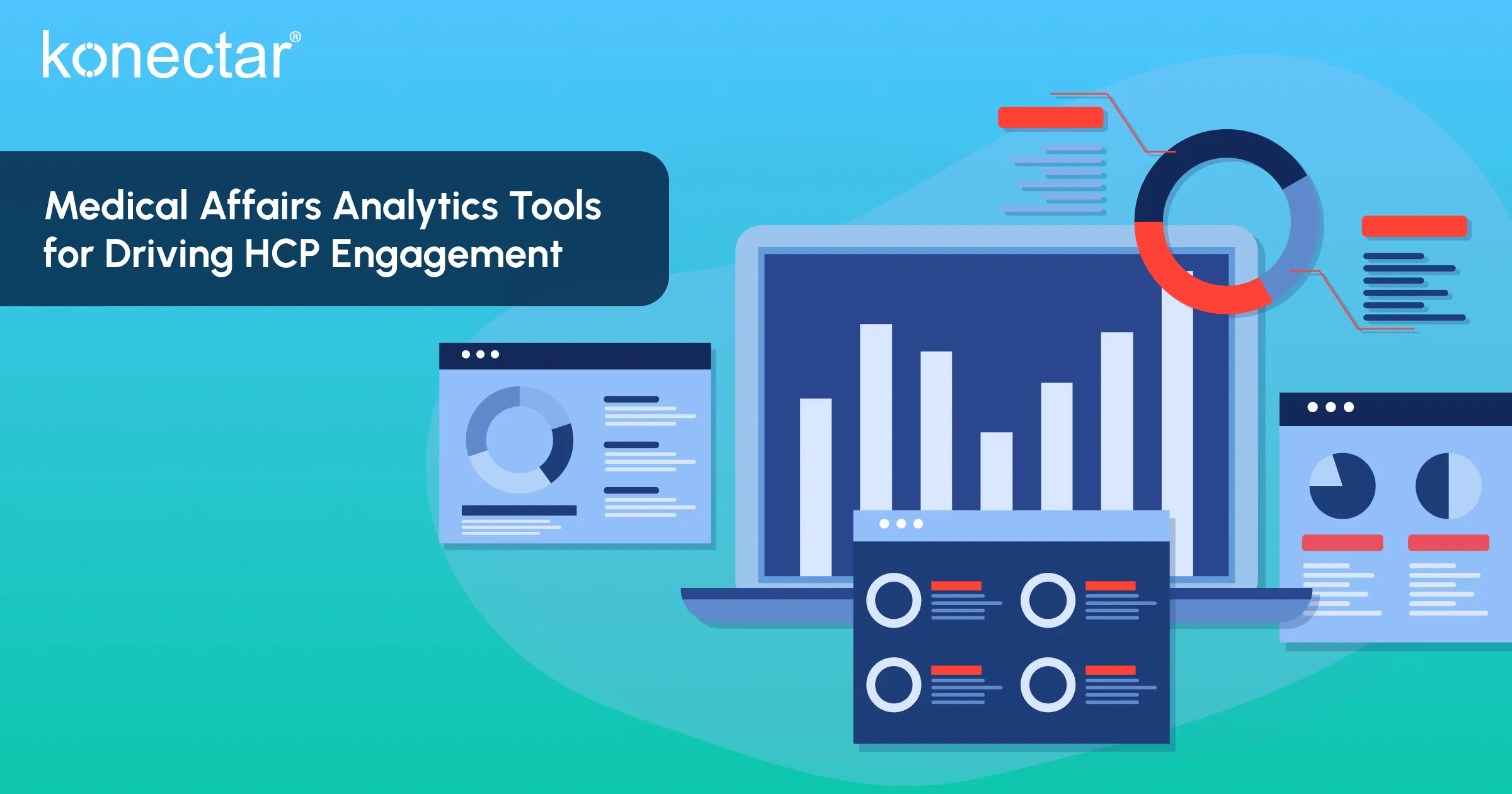
The importance of analytics in today’s Medical Affairs landscape cannot be overstated. Medical Affairs teams work with large volumes of information on healthcare professionals (HCPs) such as analyzing their areas of expertise, research interests, scientific activity, and engagement history. These data points provide valuable context for planning and supporting HCP engagement.
In this article
- How Analytics Supports the HCP Engagement Lifecycle
- What Should You Look for in Medical Affairs Analytics Tools?
- How konectar Supports Medical Affairs Analytics
- FAQs
However, rather than reviewing information in isolation and manually connecting the dots, Medical Affairs teams are using analytics to identify meaningful patterns and relationships across HCP and scientific data. Analytics platforms bring relevant information together, making it easier for teams to derive actionable insights and make more informed engagement decisions. As AI and analytics capabilities continue to mature, leading organizations are incorporating them into Medical Affairs workflows to support more informed, relevant, and effective scientific engagement.
How Analytics Supports the HCP Engagement Lifecycle
Analytics can support Medical Affairs throughout the HCP engagement lifecycle, from identifying and understanding relevant HCPs to driving engagement.
The process begins with identifying relevant HCPs based on various factors including professional activities. Analytics can help teams assess various signals related to HCPs together at one place rather than gathering information from different sources.
Once relevant HCPs have been identified, analytics can further help teams develop a deeper understanding of their scientific interests and priorities. As engagement progresses, interaction data adds another layer of context. Analyzing previous interactions, discussion topics, engagement frequency, and changes over time can help teams understand how their relationship with an HCP has developed. These insights can provide continuity between engagements and help teams build on previous scientific discussions rather than treating each interaction as a standalone activity.
The insights generated through engagement can then help teams understand HCP perspectives. When analyzed systematically, these signals can provide Medical Affairs with a broader understanding of how HCPs are responding to scientific topics and where further scientific exchange may be valuable.
Taken together, these capabilities allow analytics to support a more continuous approach to HCP engagement. This creates a stronger foundation for planning relevant, timely, and scientifically meaningful HCP engagement.
What Should You Look for in Medical Affairs Analytics Tools?
Choosing an analytics tool is less about the number of features it offers and more about the value it can provide to the team. The right platform should help Medical Affairs teams reduce the effort involved in gathering and reviewing data, and provide the insights needed to support informed HCP engagement decisions.
A key consideration is the depth, relevance, and quality of the information available through the platform. Medical Affairs teams need reliable intelligence that reflects the professional and scientific landscape around their HCPs and therapeutic areas. The value of analytics increases when teams can access information that is sufficiently current and relevant to their objectives. The right analytics tool or the platform should also fit naturally into existing workflows.
How konectar Supports Medical Affairs Analytics
konectar is an AI-powered, HCP management platform built for life sciences teams across Medical Affairs, MSL, and Commercial functions. It provides comprehensive insights on HCPs’ influence, expertise, and professional intelligence, helping teams gain a deeper understanding of HCPs. This enables teams to identify relevant HCPs for their objectives and plan more informed engagement.
By providing ready-to-refer intelligence, konectar helps teams spend less time gathering and interpreting information manually and more time planning and driving appropriate engagement activities. This provides a foundation for more informed engagement planning while allowing teams to continuously refine their understanding as new scientific and engagement information becomes available. Discover how konectar's intelligent analytics can strengthen KOL management initiatives. Request a demo.
FAQs
- What are analytics tools for Medical Affairs?
Analytics tools for Medical Affairs are platforms that help teams analyze HCP’s professional and scientific information to support HCP engagement.
- How does analytics support HCP engagement?
It provides teams with deep insights around HCPs’ influence, expertise, scientific interests, research activities, previous interactions, and engagement patterns.
- How does konectar support Medical Affairs?
konectar helps Medical Affairs teams discover relevant experts, access their comprehensive profiles, understand professional activities, and drive engagement.
- What should companies consider when choosing a Medical Affairs analytics tool?
Teams should consider HCP data coverage, scientific intelligence, profiling and segmentation, engagement analytics, trend analysis, and ease of use.
Read Next
Sentiment Shifts in Healthcare: Are Your HCPs Still Champions?


Recommended