13-10-2026
From KOL Mapping to Expert Engagement: How konectar Supports Life Sciences Teams
KOL mapping is the first step in a KOL engagement strategy. Whether the objective is to identify speakers, investigators, clinicians, scientific experts, or influential voices on social media, life sciences teams need to identify the experts who are most relevant to their objectives.
The purpose of engagement may differ, but the foundation remains the same: identifying the right KOLs and gaining comprehensive information about them.
A strong KOL engagement strategy does not begin with the first interaction. It begins much earlier with identifying the right experts and gaining the context needed to make informed decisions about engagement.
Yet, the quality of KOL mapping can often be overlooked, even though it can influence everything that follows.
In the article
- What Makes KOL Mapping Effective?
- konectar: Supporting Life Science Teams at Every Stage of their KOL Management Journey
- Conclusion
- FAQs
What Makes KOL Mapping Effective?
KOL mapping is not simply about identifying experts associated with a therapeutic area. Teams need a comprehensive understanding of the experts they are considering such as who they are, what they are known for, where their expertise lies. This can include:
- Scientific and professional background
- Expertise and relevance
- Contribution to the field of focus
- Research and areas of interest
- Relevance to the engagement objective
Having the right information and context around each KOL enables teams to shortlist experts more effectively.
konectar: Supporting Life Science Teams at Every Stage of their KOL Management Journey
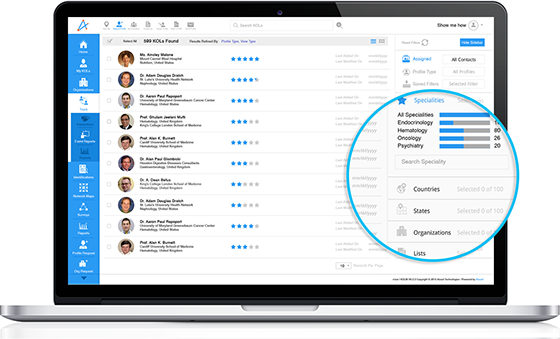
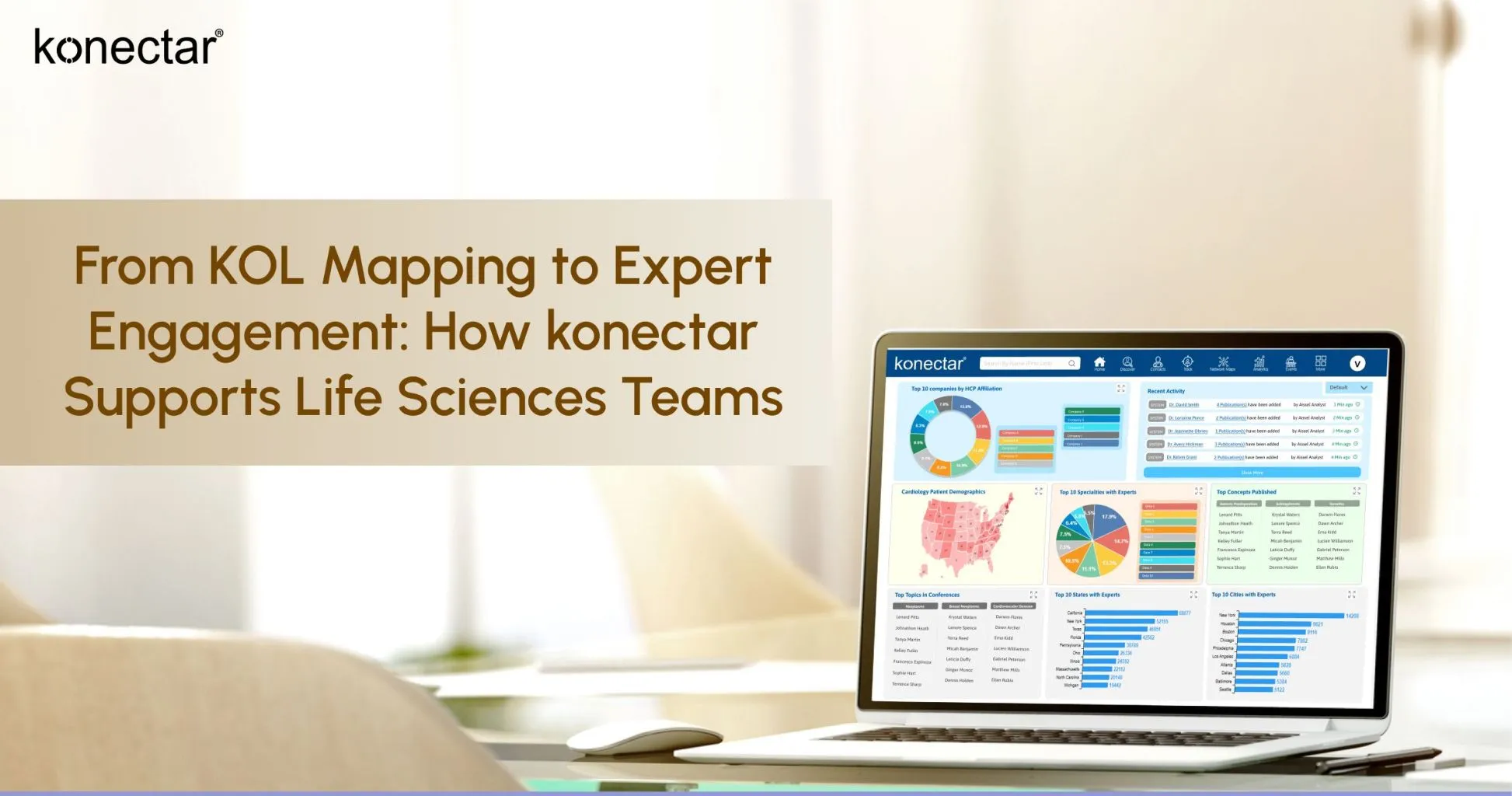
konectar KOL Mapping helps life sciences teams identify relevant experts and develop a broader understanding of the KOL landscape within a therapeutic area.
Teams can explore experts alongside relevant professional networks and connections, providing greater context when evaluating potential KOLs. This intelligence can help teams identify experts aligned with a therapeutic area, engagement objective, and create curated KOL lists.
For teams looking to understand HCP activity and influence across social platforms, konectar Social adds another dimension through social media analytics. Bringing social intelligence into the broader KOL strategy can help teams develop a more complete view of an expert’s professional presence and influence.
Once relevant KOLs have been identified and curated, the focus shifts to building and managing those relationships over time. konectar CRM enables teams to manage this within the same platform, without relying on a separate system for KOL interactions and engagement history.
Teams can log interactions, create surveys, capture medical insights, and maintain relevant information from their engagements with HCPs. Over time, this creates a continuous record of each relationship rather than leaving valuable engagement information across disconnected systems and spreadsheets.
As engagement activity grows, so does the volume of information teams need to understand and communicate. With relevant filters and criteria, teams can access the reports and insights they need without manually compiling information from multiple sources. This also makes leadership reviews, giving decision-makers a clearer view of engagement activity and the intelligence emerging from KOL relationships.
Over time, this information can become a valuable organizational record, preserving the context of KOL relationships and engagement history even as teams, priorities, and responsibilities change.
Conclusion
KOL mapping is the foundation of effective KOL management. Its real value lies in carrying that understanding forward into meaningful engagement and the ongoing understanding of how those relationships evolve.
konectar brings these capabilities together within an AI-powered platform, giving life sciences teams the flexibility to apply them at different stages of their KOL management journey, as their needs and objectives evolve.
Teams using konectar have reported benefits such as faster KOL identification, reduced time spent finding relevant experts, more informed decision-making, and more effective engagement.
Ultimately, KOL management is not simply about finding the right experts. It is about building an informed understanding of those relationships over time and using that knowledge to make better decisions about engagement.
To see how konectar can help your team identify the right experts and build compliant relationships, request a demo.
FAQs
- What is the purpose of KOL mapping in life sciences?
KOL mapping helps life sciences teams identify experts who are relevant to a specific therapeutic area or engagement objective. It provides a stronger starting point for planning meaningful KOL engagement.
- What factors should teams consider when evaluating KOLs?
Teams may consider an expert's scientific expertise, research interests, professional background, contributions to the field, and relevance to the specific engagement objective. The factors that matter most can vary depending on why the team is looking to engage the expert.
- How can KOL mapping improve KOL engagement?
Better KOL mapping gives teams greater understanding of a KOL before an engagement begins. Understanding an expert's background, interests, relevance, and professional connections can help teams approach engagement with clearer objectives and greater awareness of the relationship.
- How does konectar support KOL mapping?
konectar KOL Mapping helps life sciences teams identify relevant experts and understand their professional background, expertise, connections, and relevance to specific engagement objectives.
Related Read
How to Prepare for a Medical Congress: A Strategic Guide for Life Sciences Teams


Recommended