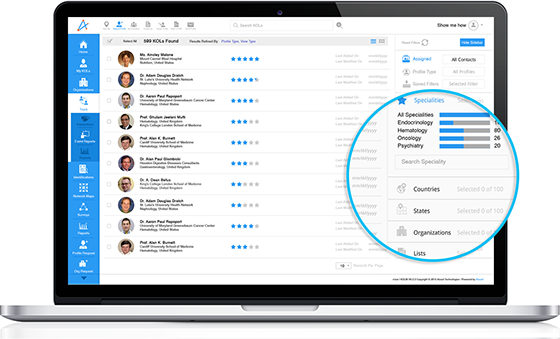
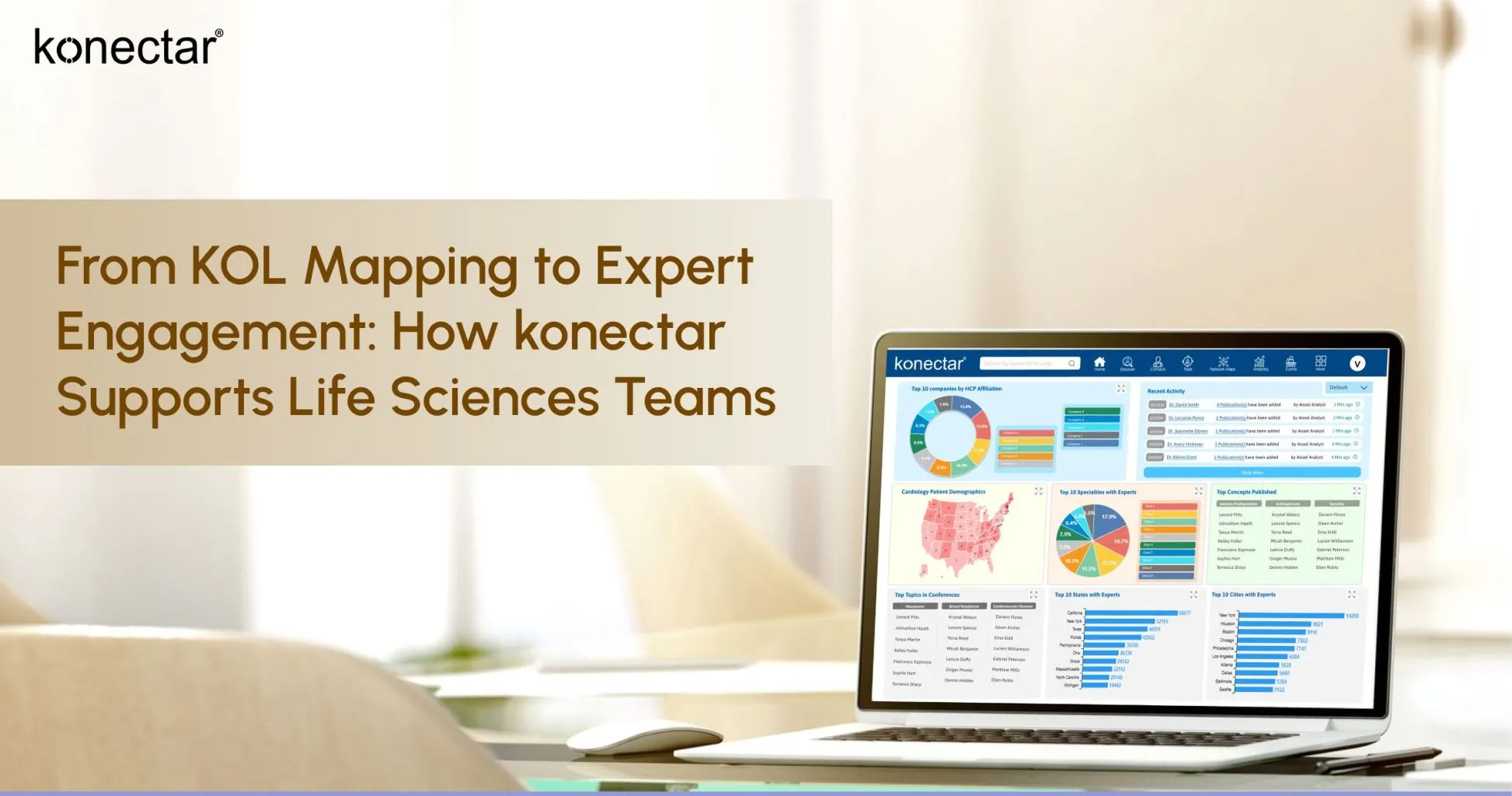

KOL mapping is the first step in a KOL engagement strategy. Whether the objective is to identify speakers, investigators, clinicians, scientific experts, or influential voices on social media, life sciences teams need to identify the experts who are most relevant to their objectives. ... Read this blog
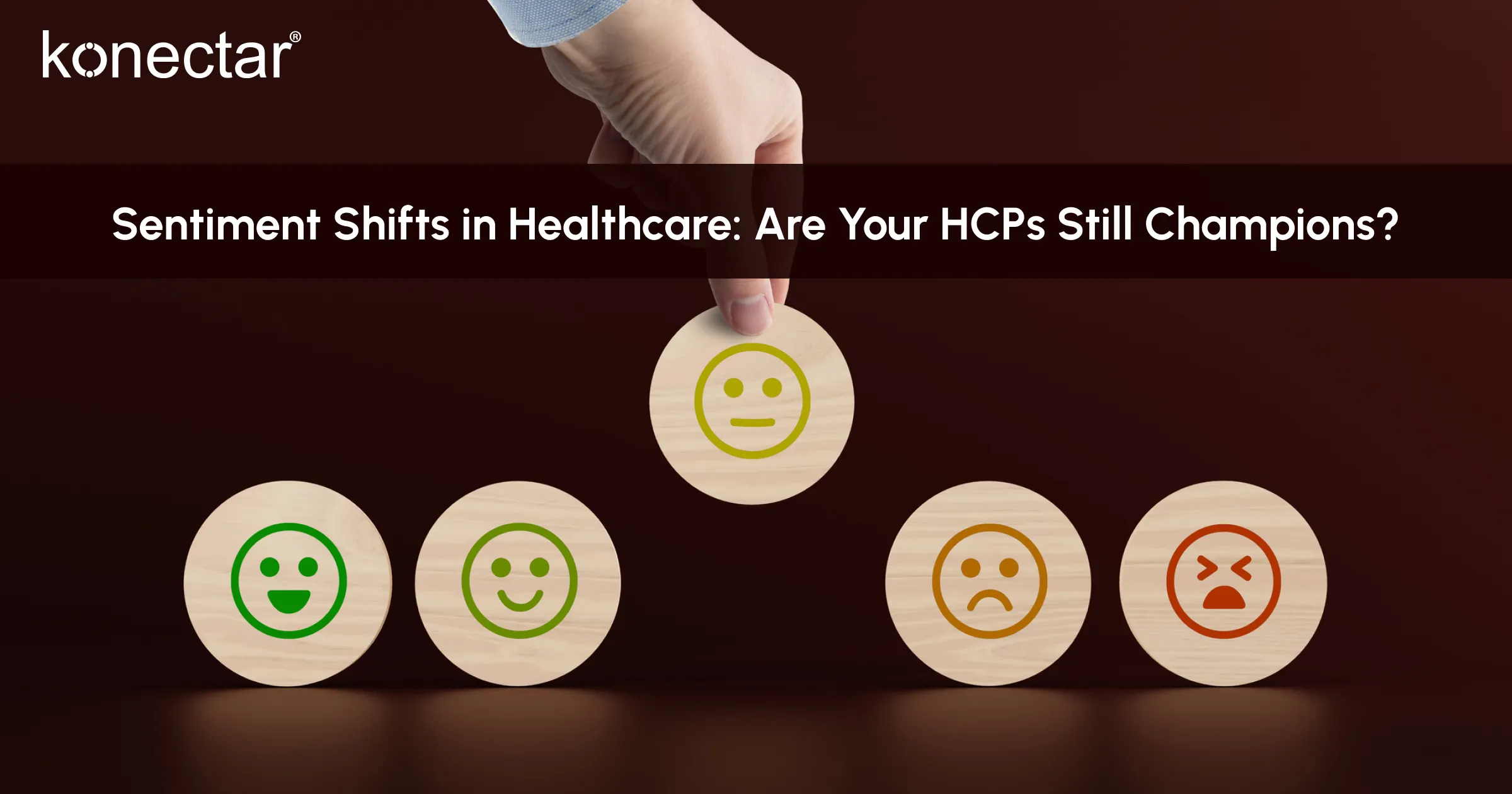
In life sciences, one of the most underestimated risks a Medical Affairs or Commercial team can face is that their strongest HCP advocates quietly stop believing in a brand. The gradual drift from an enthusiastic champion to passive observer to, in some cases, a voice that now amplifies a competitor. ... Read this blog
In the life sciences industry, the companies who become successful aren't those with the greatest KOL networks but the ones that get their KOL management strategy right. They win because they built the right relationships, at the right stage, with the right depth of engagement. For mid-sized biopharma companies, this is the growth phase where that distinction matters most, where KOL strategy either becomes a genuine competitive advantage or never fully delivers. This guide breaks down exactly how to get it right and where to begin. ... Read this blog
Most life sciences teams already know who the top KOLs are in their therapeutic areas. The real challenge today is understanding which experts matter for which objective, when to engage them, and how to build meaningful relationships at scale. ... Read this blog

Most attempts to engage a KOL (Key Opinion Leader) fail because the engagement format conflicts with how scientific credibility is defined and evaluated. ... Read this blog
Scientific organizations today have access to more data than ever before. Yet despite this abundance, scientific engagement often feels fragmented and reactive. ... Read this blog
Every therapeutic area has its own ecosystem of clinicians, investigators, educators, and emerging specialists who shape how new evidence is interpreted and how medical decisions evolve. ... Read this blog
MedTech’s approach to Key Opinion Leader (KOL) management is now at an inflection point. For decades, the dominant model operated on a transactional premise: identifying influential experts, engaging them, and leveraging their credibility to amplify device adoption and brand presence. ... Read this blog
Many life sciences organizations have adopted KOL (Key Opinion Leaders) management software, but are still facing a critical challenge that directly impacts their return on investment (ROI). ... Read this blog
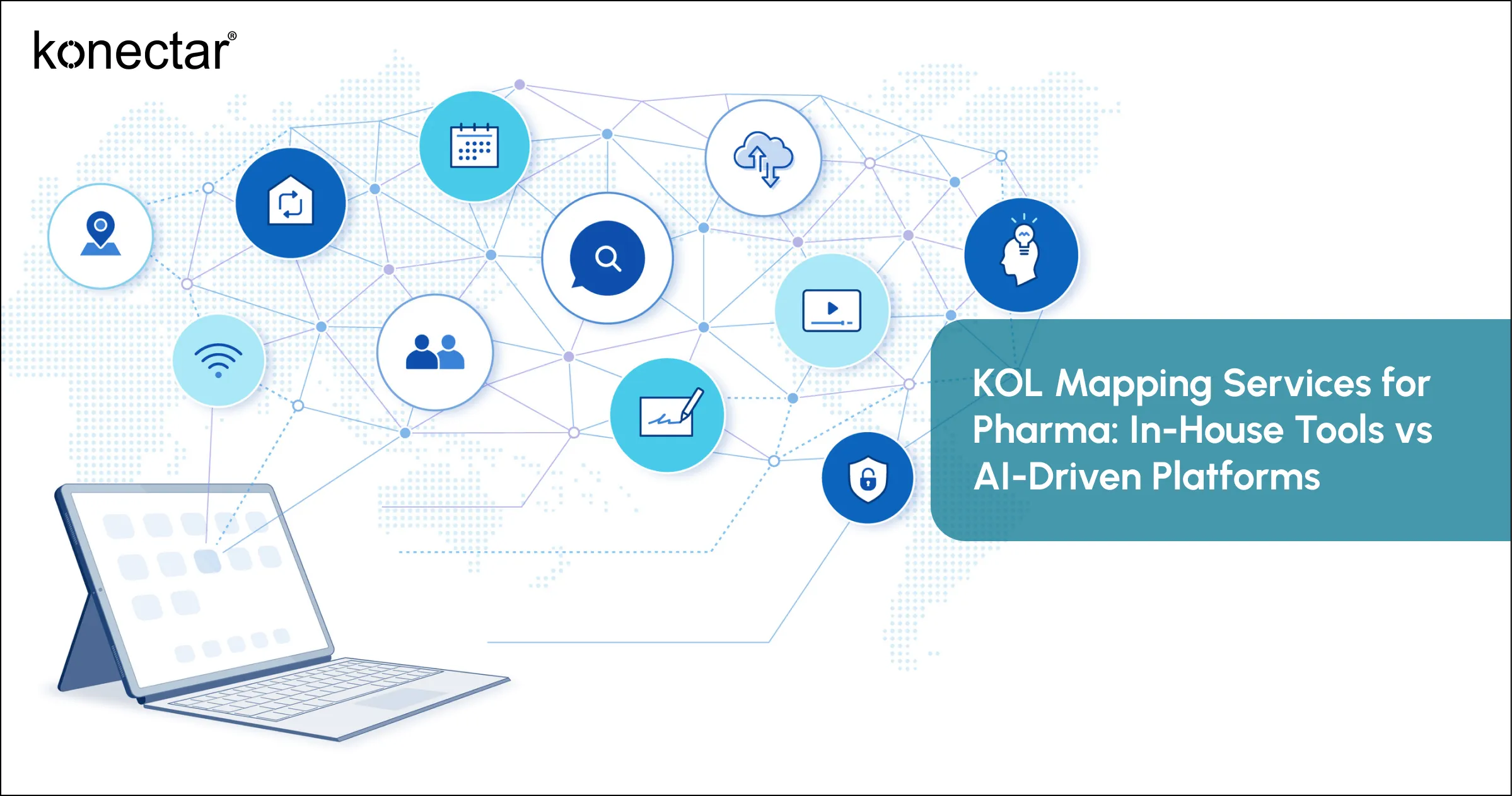
Engaging with Key Opinion Leaders (KOLs) can be a competitive advantage for pharmaceutical teams. From accelerating the drug development process to shaping market perceptions, KOLs are a critical part of the ecosystem. ... Read this blog
In oncology, where research advances daily and competition for scientific collaboration is intense, effective oncology KOL profiling can make or break the success of your engagement efforts. It’s a critical step, yet even the most data-savvy teams often stumble in their KOL profiling process. The challenge isn’t a lack of data, it’s knowing what truly matters, how to interpret it, and how to act on it. ... Read this blog

What separates high-performing Medical Affairs teams from the rest isn’t just data, it’s how effectively they manage and act on it. They don’t need any more tools that offer advanced spreadsheets or static insights on HCPs but actionable intelligence that would enable them to drive seamless engagement with these experts. ... Read this blog
Recommended