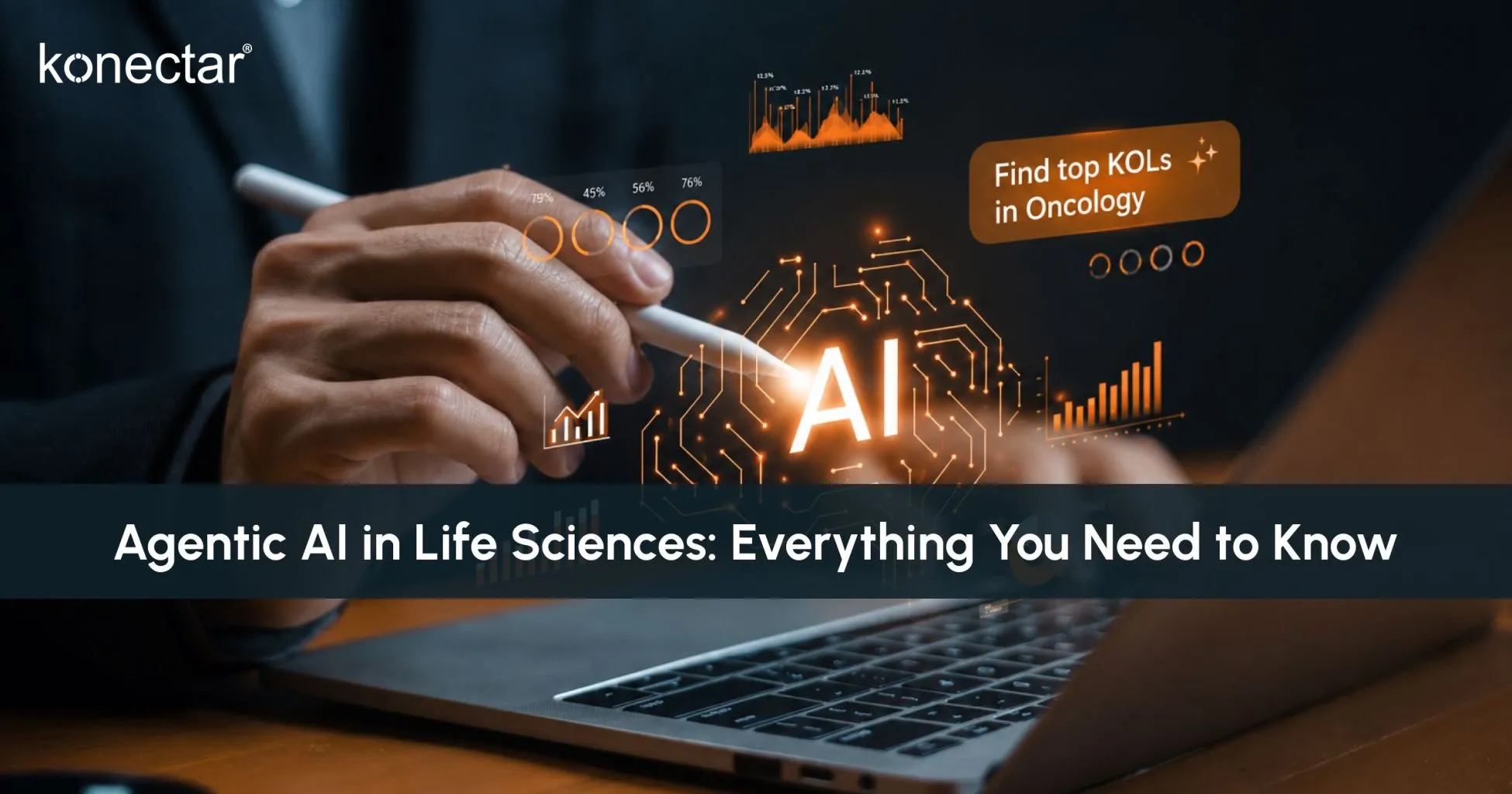

Agentic AI in life sciences refers to AI systems that can independently plan, reason, retrieve trusted scientific data, and execute multi-step workflows to achieve a defined objective. It enables pharmaceutical, biotech, medtech, and diagnostics teams to automate complex tasks, access actionable insights faster, and make more informed decisions with minimal manual intervention. ... Read this blog
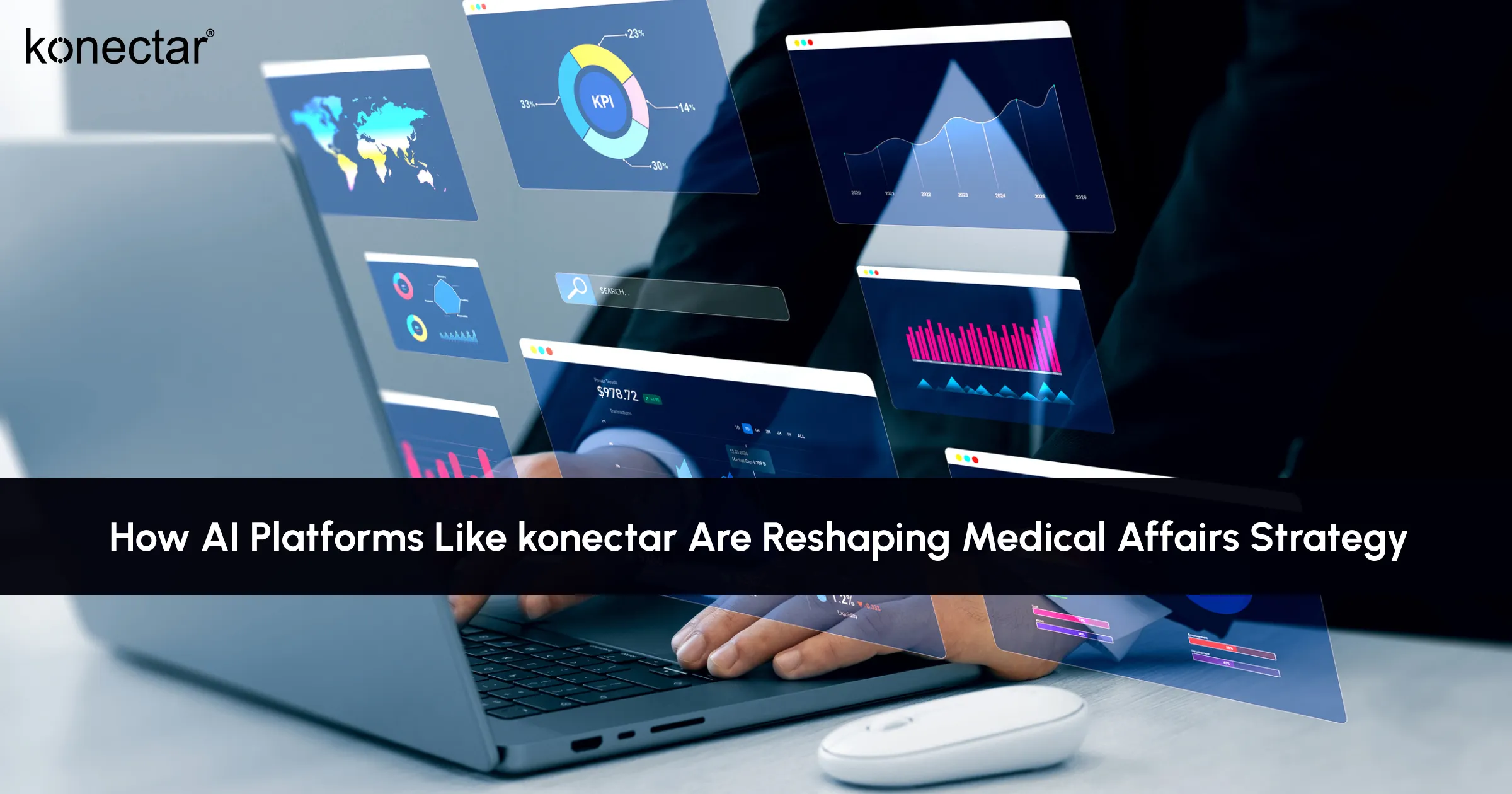
Most Medical Affairs professionals cite KOL identification and mapping as their number one challenge. It takes up significant time, drains resources, and quietly undermines the quality of every HCP engagement that follows. ... Read this blog
The global AI in healthcare market is projected to exceed $187 billion by 2030, growing at a rate that outpaces virtually every other technology segment in the industry. ... Read this blog
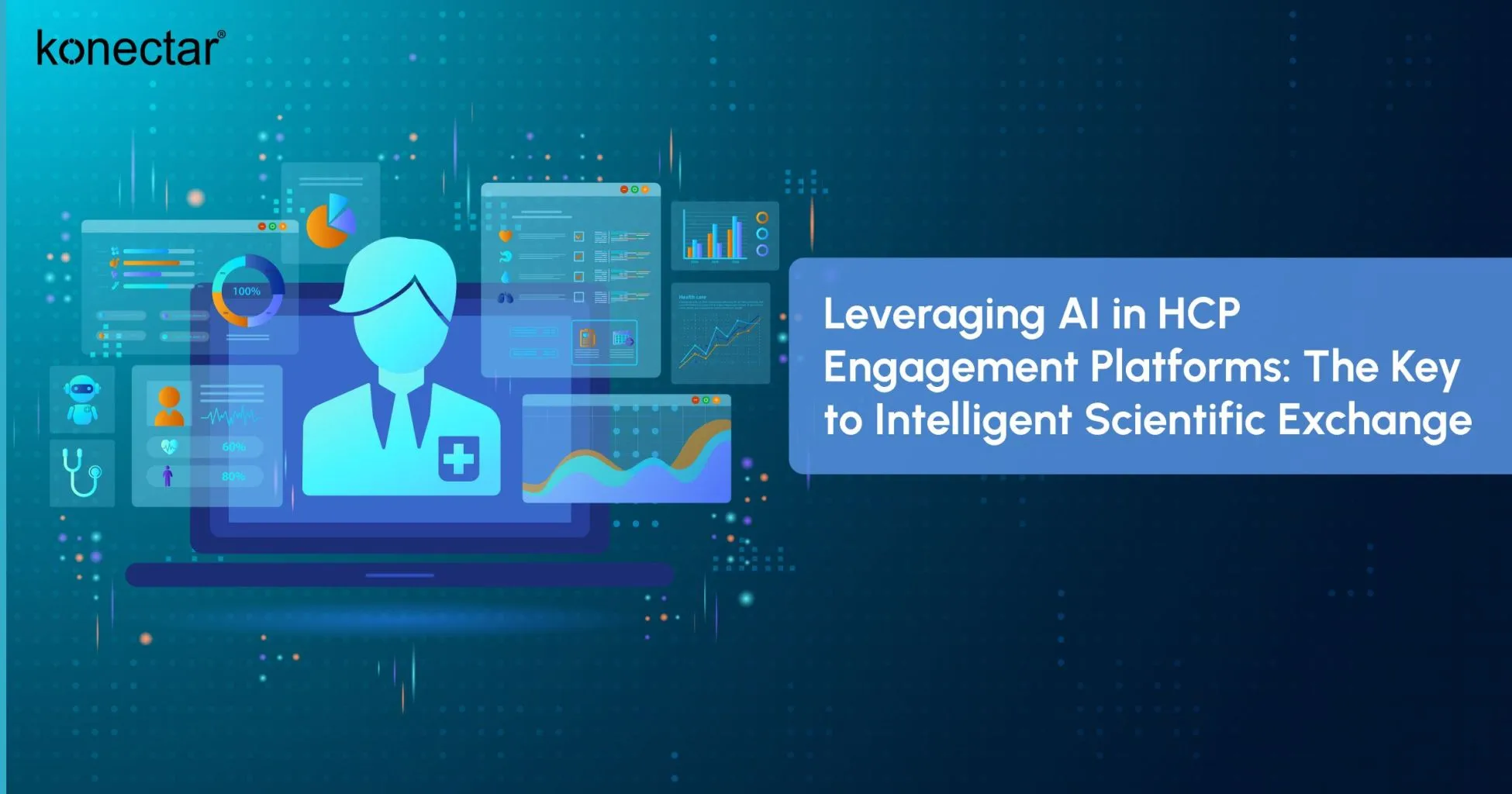
Artificial intelligence in healthcare is no longer a futuristic concept. It has become the operational engine transforming how Life Sciences teams identify, map, and interact with the medical community. For Medical Affairs and Commercial leaders, the challenge has shifted from simply reaching a Healthcare Professional (HCP) to driving a high-value scientific exchange. ... Read this blog
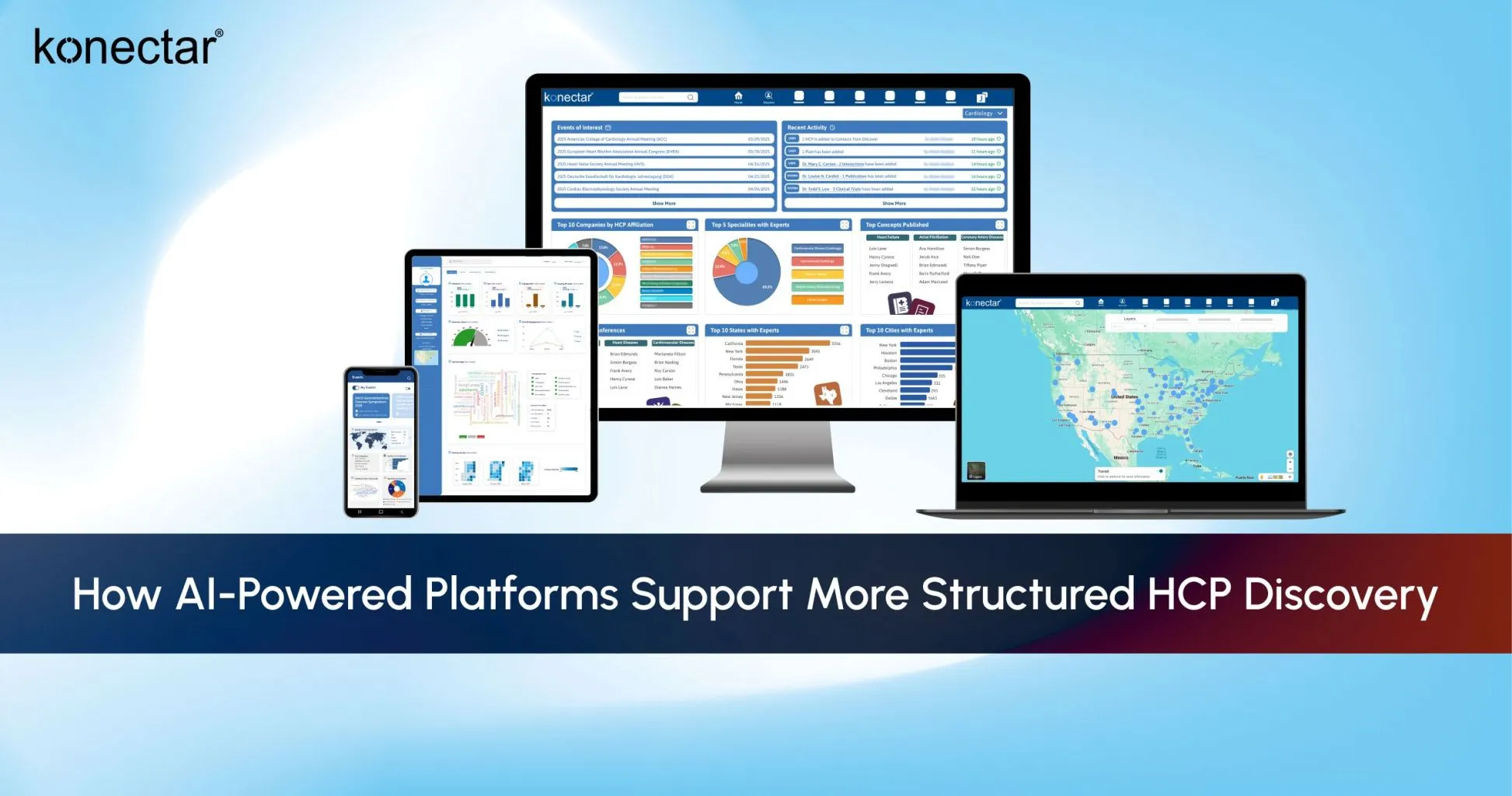
For decades, life sciences teams have built HCP lists using a few simple signals: sales rep feedback, attendance at medical meetings, and past prescription volume. These sources were easy to collect, but they are incomplete and static. ... Read this blog
Heart diseases remain one of the leading causes of illnesses and death worldwide, despite decades of medical advancements. New medicines, devices, and treatment strategies continue to emerge, but behind every advancement lies a long and complex process of clinical research. ... Read this blog
AI in the pharmaceutical industry is no longer some futuristic concept, in fact, it’s becoming part of the daily toolkit for many pharma teams, especially in Medical Affairs. With responsibilities that bridge science, clinical practice, and healthcare communication, Medical Affairs professionals are increasingly leaning on AI to gain efficiency and clarity in an ocean of data. ... Read this blog
Traditional methods of engaging Healthcare Professionals (HCPs) can’t keep pace with the rapid digital transformation in healthcare. These channels feel disconnected and lack the speed and personalization healthcare providers expect today. ... Read this blog
Professional healthcare services refer to the full range of medical, clinical, and supportive care delivered by trained professionals to maintain and enhance health. However, AI advancements are now reshaping these services and how! ... Read this blog
Clinical trials are essential for advancing medical science. They provide the evidence that the newly devised drugs are effective in treating or managing a disease or a condition. However, clinical trials have long been known for being labor-intensive, costly and having multi-year timelines.
... Read this blog
From creating the first successful clone of a sheep Dolly in 1996 to today’s widespread implementation of artificial intelligence in healthcare, medical science has indeed come a long way. The progression of artificial intelligence technology has compounded the skills of Healthcare Professionals (HCPs) and empowered them to deliver care to patients more efficiently.
... Read this blog
Genetic research has emerged as one of the most rapidly advancing fields globally. Driven by technological advancements, this field is rapidly uncovering the genetic basis of diseases. This has led to substantial progress in disease risk assessment, diagnosis, and treatment. ... Read this blog
Recommended