
As leaders in veterinary sciences, you already know that innovation doesn’t move forward on data alone. It takes trusted voices to translate science into practice, and in veterinary science, those voices belong to Key Opinion Leaders (KOLs). ... Read this blog
In the life sciences industry, effective KOL engagement and communication are only as strong as the systems that support them. As teams engage healthcare professionals across regions and navigate compliance requirements, a CRM tailored for medical affairs becomes essential. ... Read this blog

If 2020 was the year healthcare went digital out of necessity, then 2025 is the year it learns to thrive in this digital landscape. Key Opinion Leader (KOL) engagement has been completely reshaped by digital platforms, data-driven strategies, and the mainstream acceptance of Digital Opinion Leaders (DOLs). ... Read this blog
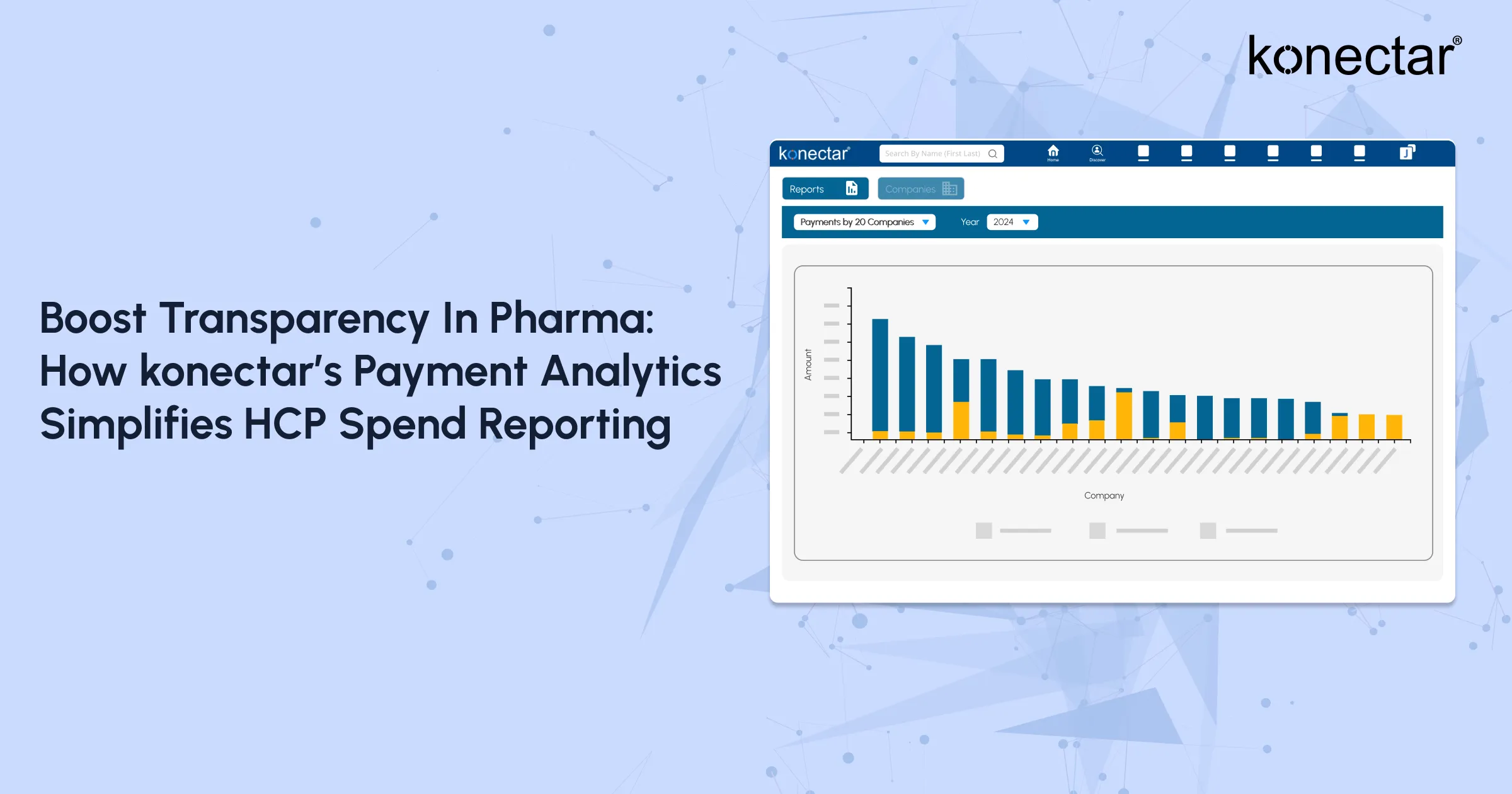
In the pharma world, if you are responsible for compliance, spend reporting feels like a high-stakes balancing act. Many teams rely on HCP payment tracking solutions to comply with the Sunshine Act. ... Read this blog

With so many therapies, devices, and scientific breakthroughs emerging, even the most promising therapy or device may not achieve the expected level of adoption. So, how do you determine if your device or pharmaceutical product is making an impact? ... Read this blog

In the world of pharma, medical affairs is like the bridge between the lab and the lives those medicines aim to improve. It's the team that translates complex science into clear, usable information for doctors, patients, and even policymakers. ... Read this blog

Medical Conferences are important platforms for Medical Affairs and cross-functional teams to engage with healthcare professionals (HCPs), key opinion leaders (KOLs), and stakeholders. But the value of these events does not end when the last session concludes. The true power lies in what you do after the event and that’s where post-conference analytics become a game-changer. ... Read this blog
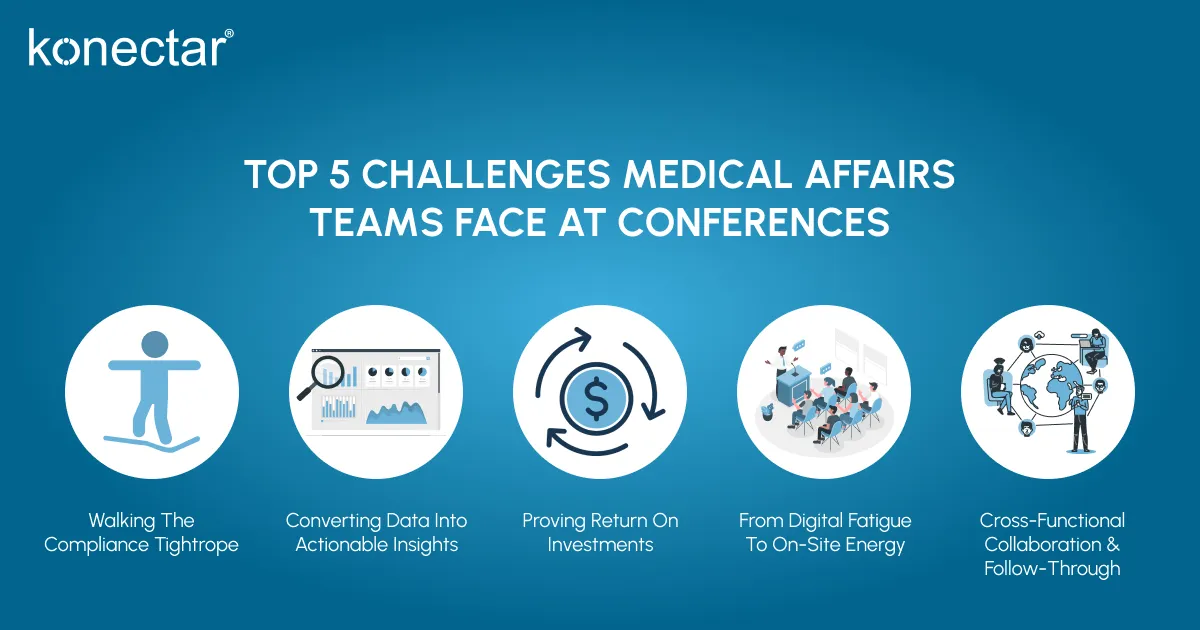
Attending major scientific congresses is one of the highest-stakes activities for pharma teams. Done well, they unlock deeper scientific insights, strengthen key relationships, and create a competitive advantage. Done poorly, they become a missed opportunity — and a major budget sink. ... Read this blog
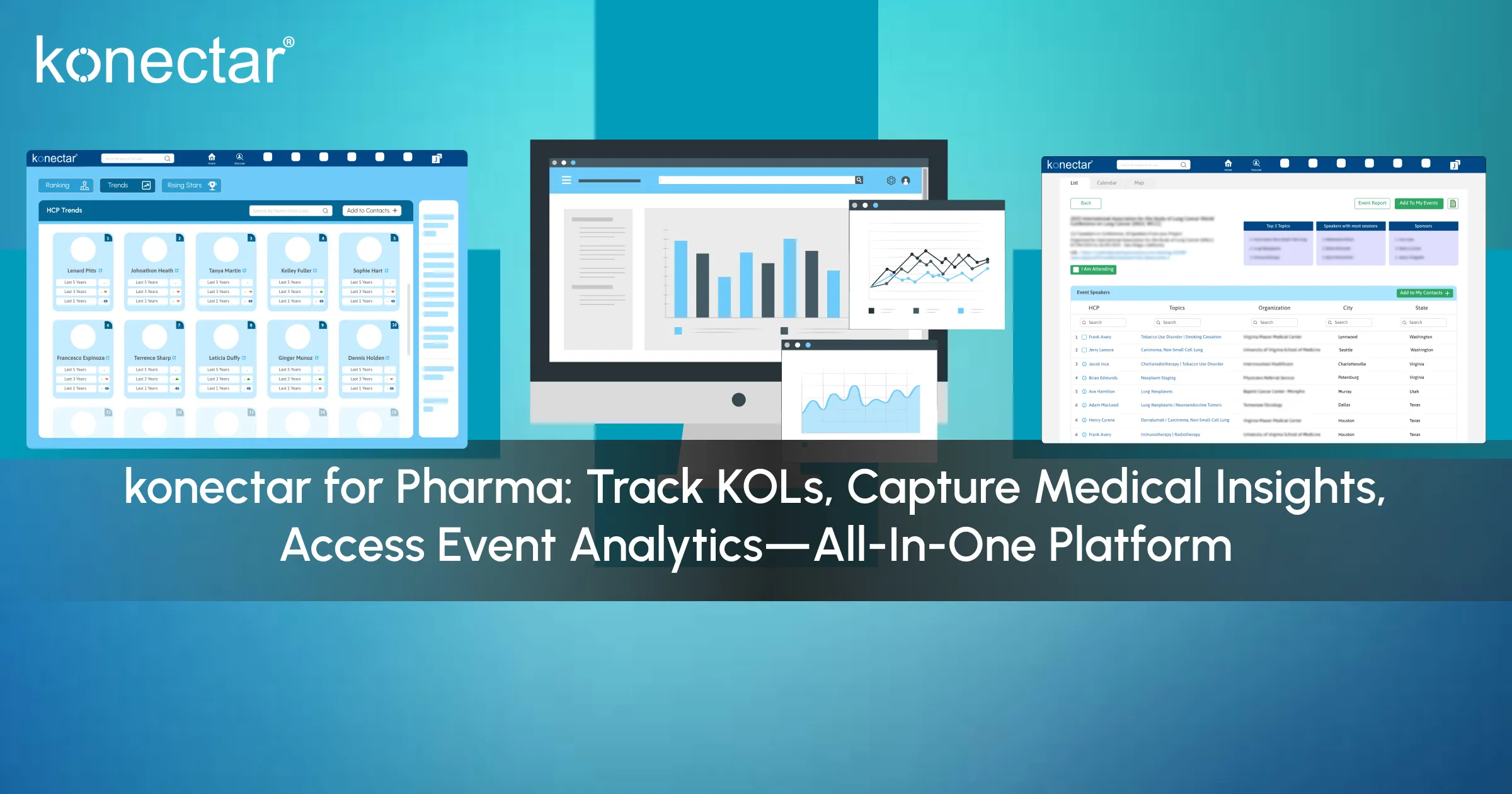
The pharmaceutical landscape has never been more demanding. Medical Affairs, Commercial, and Field are expected to do more with less while delivering greater scientific value. All the while, conforming to airtight compliance and keeping pace with rapidly evolving expectations. ... Read this blog

Medical Affairs strategy has always been relationship-driven. But in the wake of digital transformation in healthcare communication, face-to-face touchpoints are now just one part of the bigger picture. KOLs (Key Opinion Leaders) and DOLs (Digital Opinion Leaders) in healthcare now expect fast, personalized, and informed interactions that go beyond traditional ways of engagement. ... Read this blog

In oncology, the right voices don’t just inform, they inspire action. For years, that voice has belonged to the oncology key opinion leaders. These individuals are senior oncologists at the podium, principal investigators (PIs) of landmark trials, or authors of impactful studies. Their influence shapes treatment paradigms, drives clinical adoption, and builds trust in emerging science. ... Read this blog
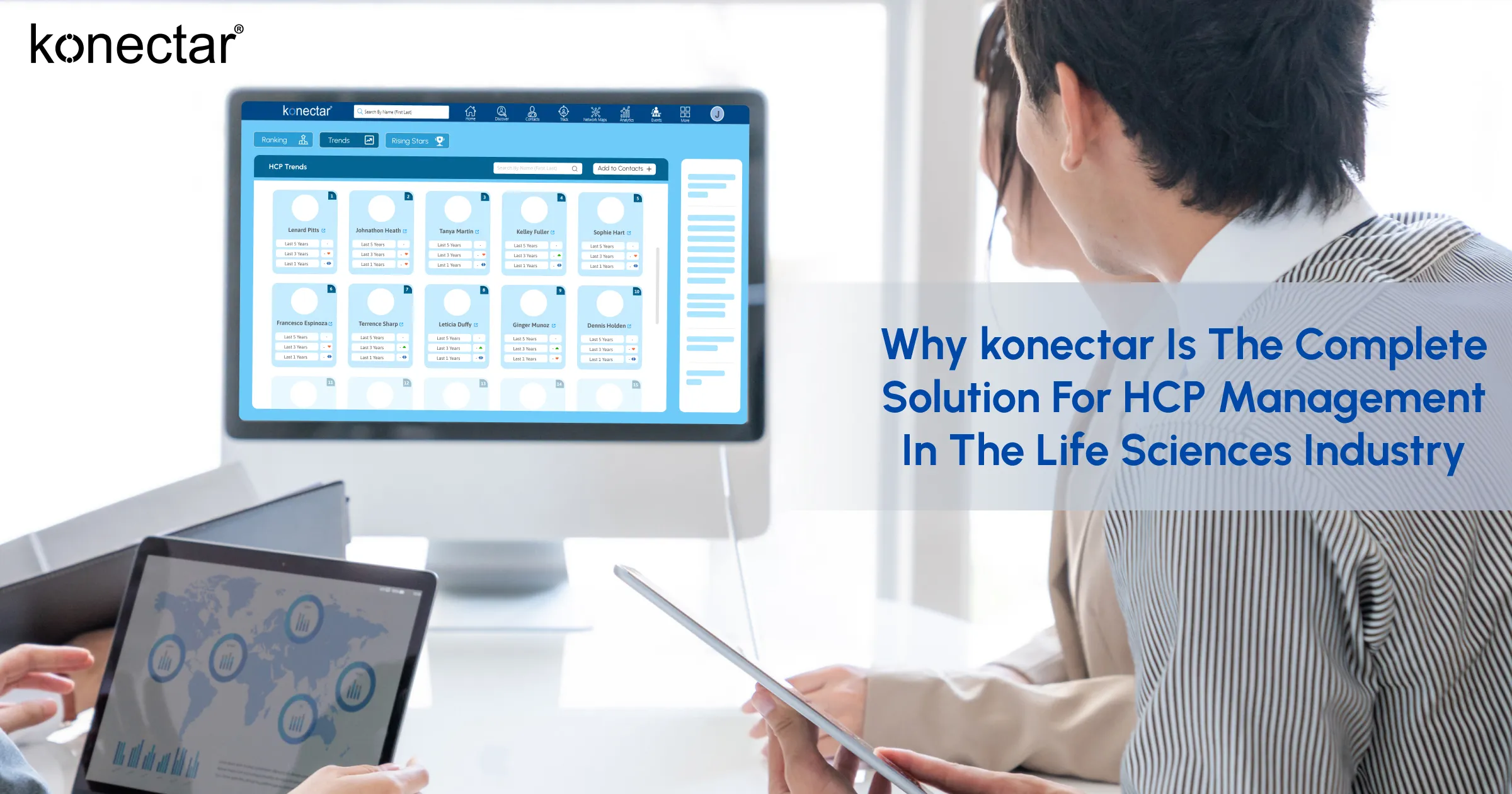
Life sciences industry–HCP relationships today are undergoing a major transformation. Medical Affairs, MSLs, and other scientific teams need to wade through a sea of HCPs and complex regulatory framework to engage the right experts. ... Read this blog
Recommended