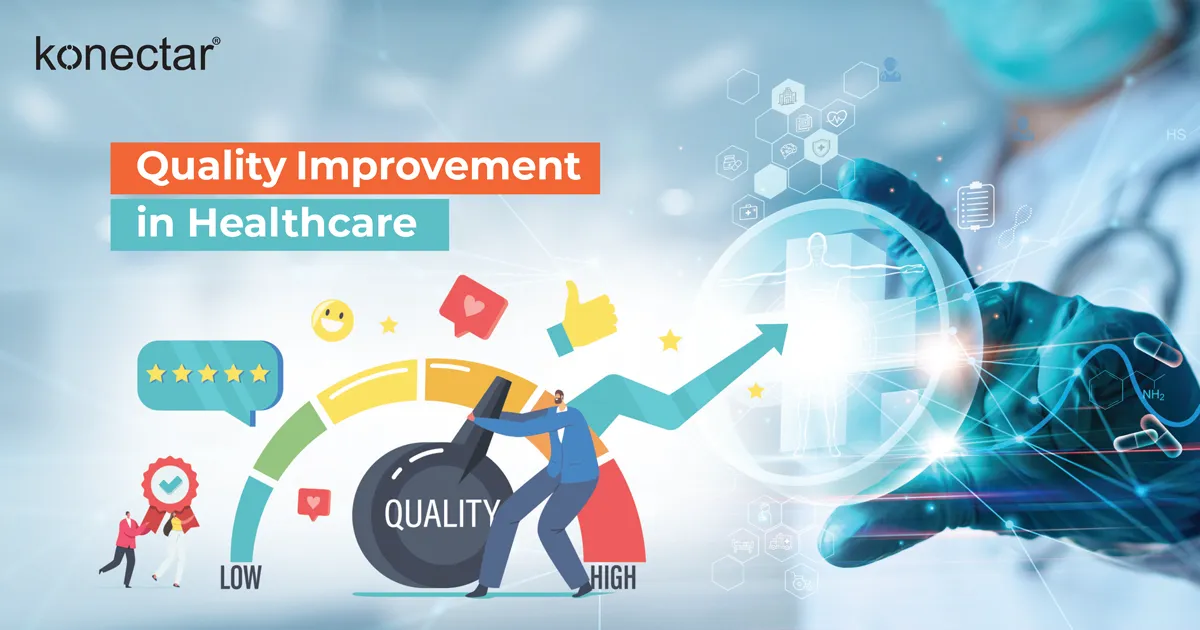

Learn about the need, significance & principles tools & techniques applied for Quality Improvement in Healthcare which can help pharma companies in the long run. ... Read this blog
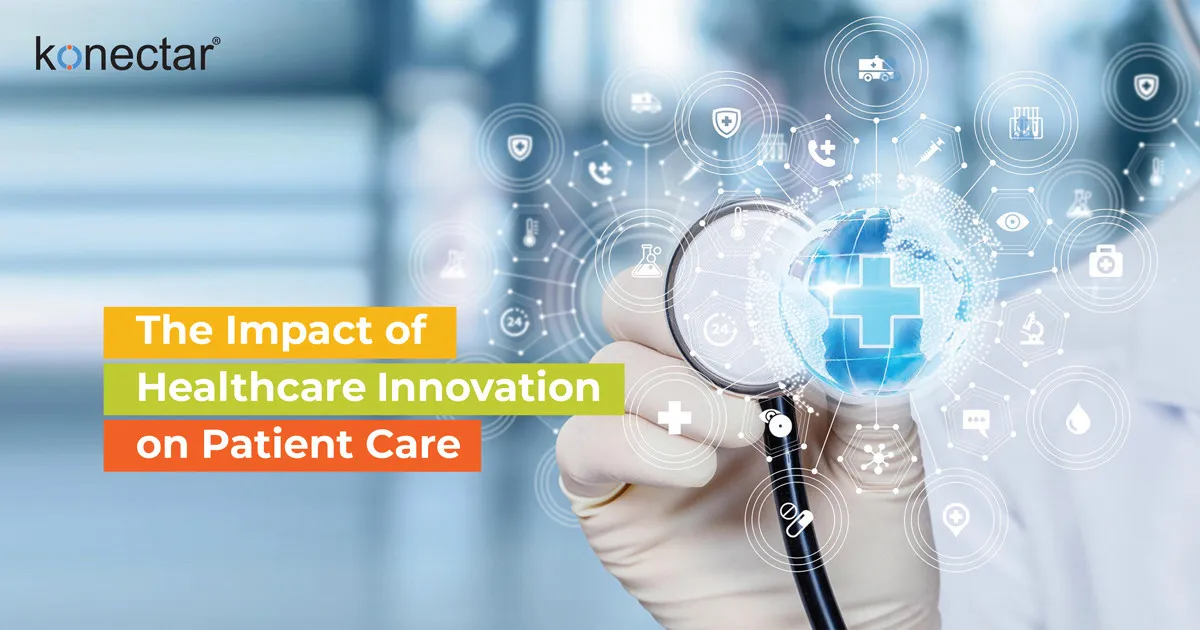
Explore how healthcare innovations are transforming healthcare, offering timely interventions and empowering patients for a healthier future. ... Read this blog
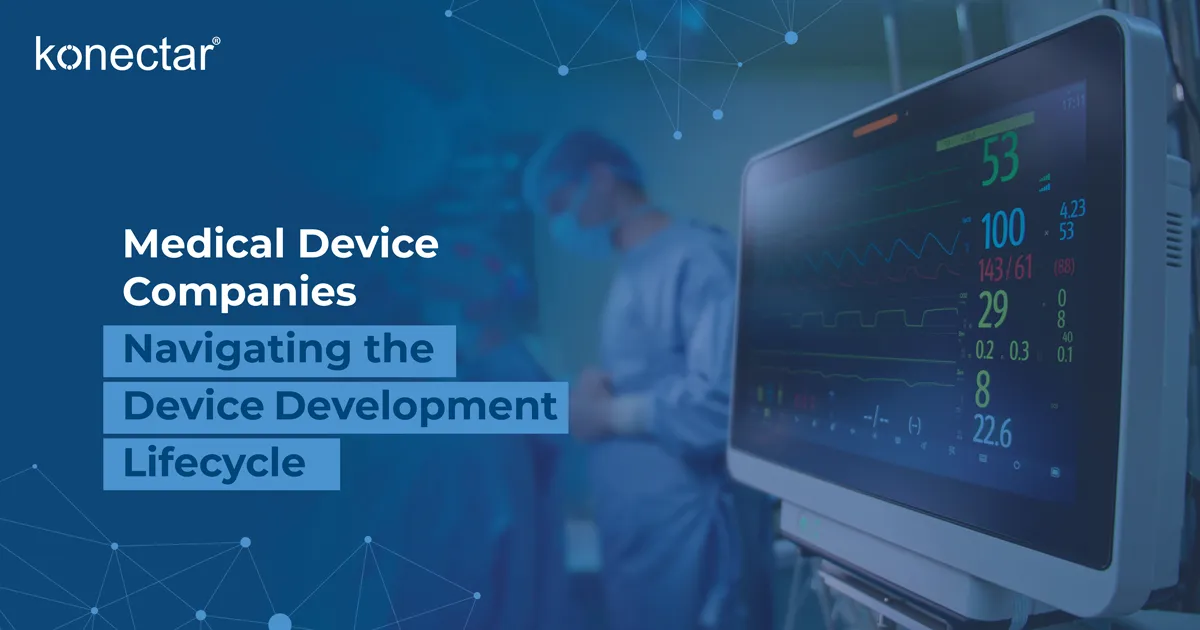
Explore the pivotal role of medical device companies and the complete lifecycle of medical device development, from concept to market launch. ... Read this blog
Discover how technology is revolutionizing clinical operations and enhancing data accuracy, patient engagement, and more in clinical trials. ... Read this blog
Due to the increasing adoption of data analytics software, the healthcare industry is poised for significant growth. ... Read this blog
Explore who medical science liaisons are, their responsibilities, and future and upcoming trends in the MSL landscape in this insightful blog. ... Read this blog
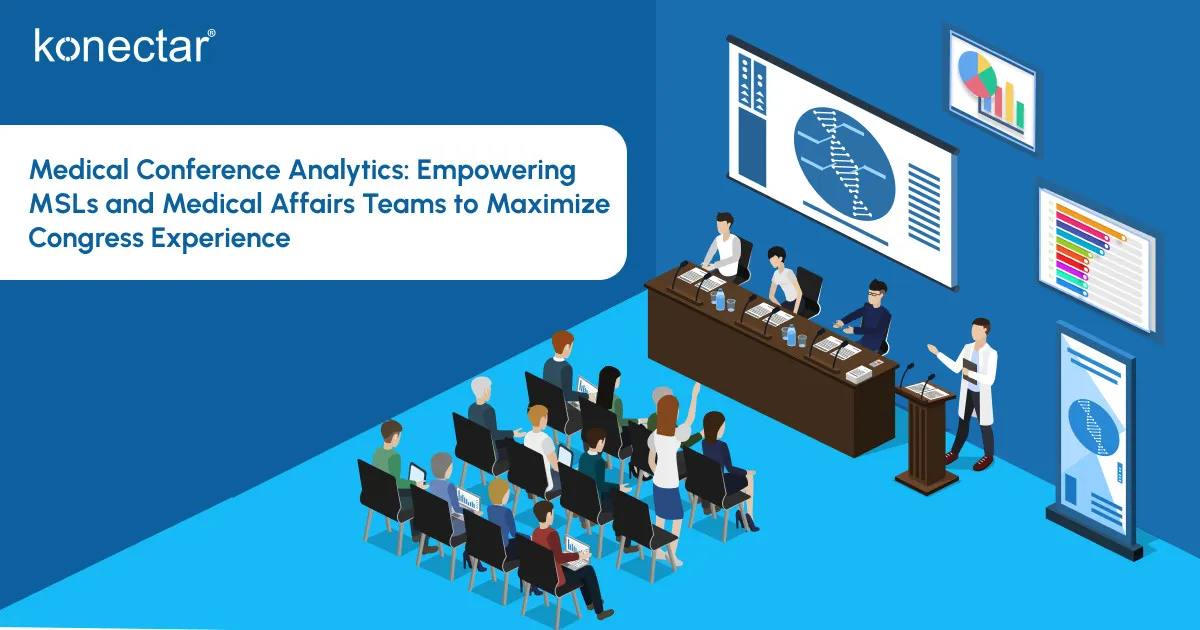

Medical conferences have become indispensable platforms for medical science liaisons (MSLs), medical affairs specialists, and professionals in the pharmaceutical industry to seek information about the latest healthcare trends and engage with healthcare professionals (HCPs). However, the scope of these events have also grown significantly and to leverage their full potential, medical professionals can explore medical conference analytics!
... Read this blog
Discover the transformative impact of patient-centered care fostering a stronger doctor-patient relationship for better health results. ... Read this blog
The pharmaceutical and medical device companies rely on the expertise of Key Opinion Leaders (KOLs) at every stage of product development. And this includes post-marketing clinical trials as well. Post-marketing trials are important as it plays a crucial role in evaluating a therapeutic product’s or a medical device’s efficacy, safety, and also in identifying opportunities to expand its use.
... Read this blog
Rapid changes in the healthcare industry have proven that traditional advisory board selection methods are no longer sufficient. Data analytics are proving effective in choosing the minds pushing the boundaries of innovation. ... Read this blog
Key Opinion Leaders (KOLs) are instrumental in shaping the medical landscape. Their expertise influences drug development, drives positive outcomes in clinical trials, and develops impactful marketing strategies within the pharma industry.
... Read this blog
Recommended