12-02-2025
4 Benefits of Decentralized Clinical Trials

Decentralized clinical trials (DCTs) are reshaping how medical research is conducted. Instead of requiring participants to repeatedly visit hospitals or centralized research sites, these trials bring many study activities directly to patients often through digital tools, home visits, and local healthcare facilities.
This approach has made clinical research more flexible, accessible, and patient-friendly. Over the last few years, especially after the COVID-19 pandemic, decentralized trials have moved from being a niche idea to a widely adopted model in drug development.
Table of Contents
- What Are Decentralized Clinical Trials?
- How Decentralized Trials Differ From Traditional Trials
- Key Benefits of Decentralized Clinical Trials
- The Future of Clinical Trials
- FAQs
What Are Decentralized Clinical Trials?
In a decentralized clinical trial, participants do not need to rely entirely on a central research site. Instead, they can take part from their homes or nearby clinics using digital health tools.
These trials commonly use:
- Telemedicine for virtual consultations
- Wearable devices for real-time health tracking
- Mobile apps for reporting symptoms and outcomes
- Local labs for routine tests
- Remote monitoring systems for continuous data collection
It is important to note that some trials are fully decentralized, while others are hybrid, meaning participants may still visit physical sites for certain procedures.
The main goal is simple: reduce the burden on patients while improving the quality and reach of clinical research.
How Are Decentralized Trials Different From Traditional Trials?
Traditional clinical trials depend heavily on physical research sites. Participants are required to travel frequently for check-ups, tests, and monitoring. This often limits participation to people living near major hospitals or research centers.
Decentralized trials, on the other hand, shift many of these activities outside the clinic.
Traditional Clinical Trials
- Require regular in-person site visits
- Limited access for rural or remote populations
- Higher travel burden for participants
- Heavy dependence on physical infrastructure
- Slower recruitment in many cases
Decentralized Clinical Trials
- Allow participation from home or nearby clinics
- Use digital tools for monitoring and data collection
- Reduce travel and time burden
- Enable broader and more diverse participation
- Improve convenience and engagement
This shift makes trials more inclusive and closer to real-world patient conditions.
Key Benefits of Decentralized Clinical Trials (DCTs)
Better Access and Higher Participation
One of the strongest advantages of decentralized clinical trials is improved patient access.
In traditional studies, many people simply cannot participate due to distance, time constraints, or physical limitations. This often excludes patients from rural areas, working professionals, and individuals with chronic or mobility-related conditions.
DCTs remove many of these barriers by allowing people to take part from home or local healthcare centers. This makes participation easier and more realistic for a wider group of patients.
As a result, recruitment becomes faster and retention improves because participants are not overwhelmed by frequent hospital visits.
More importantly, decentralized trials help include diverse populations, which is essential for understanding how different groups respond to treatments.
Better Data Quality and More Accurate Insights
Decentralized trials rely heavily on digital health tools such as wearable devices, mobile health apps, and remote monitoring systems. These tools collect health data in real time instead of relying on occasional hospital visits.
This leads to more continuous and detailed patient information, including:
- Heart rate and activity levels
- Sleep patterns
- Medication adherence
- Symptom tracking
Because data is captured directly from the patient’s environment, it reduces manual errors and delays often seen in traditional data entry methods.
It also improves consistency, since measurements are taken more frequently and under real-life conditions. This helps researchers get a clearer and more accurate picture of how a treatment performs.
Greater Efficiency and Lower Costs
Clinical trials are expensive and time-consuming. A large portion of the cost comes from physical infrastructure, patient travel, site management, and staffing.
Decentralized trials help reduce these costs significantly.
By shifting many activities online or closer to the patient, DCTs:
- Reduce the need for frequent site visits
- Speed up patient recruitment and onboarding
- Simplify data collection and monitoring
- Lower travel and logistical expenses
This also makes the overall trial process faster. When patients can participate more easily and data flows in real time, delays are reduced, and studies can move forward more smoothly.
For sponsors and research teams, this means better efficiency without compromising study quality.
Improved Patient Safety and Monitoring
Safety is one of the most critical aspects of any clinical trial. Decentralized trials improve safety monitoring through continuous digital tracking.
With tools like wearable devices and remote monitoring platforms, researchers can detect changes in a patient’s condition much earlier than in traditional trials.
This allows for:
- Faster identification of side effects
- Real-time alerts for abnormal readings
- Immediate medical intervention when needed
- Better overall patient oversight
Instead of waiting for scheduled hospital visits, healthcare teams can respond quickly when something goes wrong. This makes trials safer and more responsive to patient needs.
The Future of Clinical Trials
Decentralized clinical trials are not just a temporary shift—they represent a long-term transformation in how medical research is conducted.
By combining digital tools, patient-centered design, and real-world data collection, DCTs are making research more inclusive, efficient, and scalable.
As technology continues to advance, decentralized models are expected to become a standard part of clinical research across the globe.
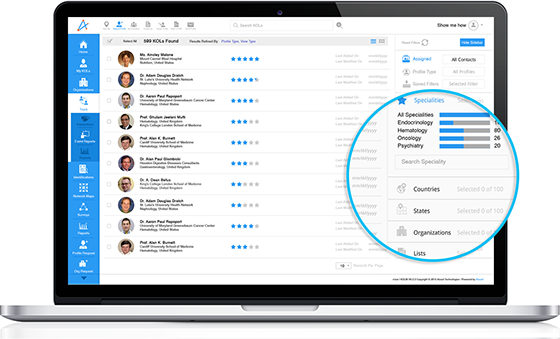
Organizations looking to improve clinical research strategies and HCP engagement can also benefit from AI-driven platform konectar, which provide real-time insights into the healthcare ecosystem and support smarter decision-making.
FAQs
- What is a decentralized clinical trial?
A decentralized clinical trial is a type of study where participants can take part from home or local healthcare facilities using digital tools instead of visiting central research sites regularly.
- Are decentralized clinical trials safe?
Yes, they are safe. They use continuous monitoring tools and remote systems that help detect health issues early and ensure patient safety throughout the study.
- What technology is used in decentralized trials?
They use telemedicine, wearable devices, mobile apps, electronic health records, and remote monitoring systems to collect and manage data.
- Why are decentralized trials important?
They improve access to clinical research, reduce costs, increase patient diversity, and make studies more efficient and patient-friendly.
Read Next
Explore how AI, digital systems, and data-driven care are reshaping modern healthcare delivery. A Look at the Latest Healthcare Trends


Recommended