12-06-2024
The Significance of Data Collection in Healthcare
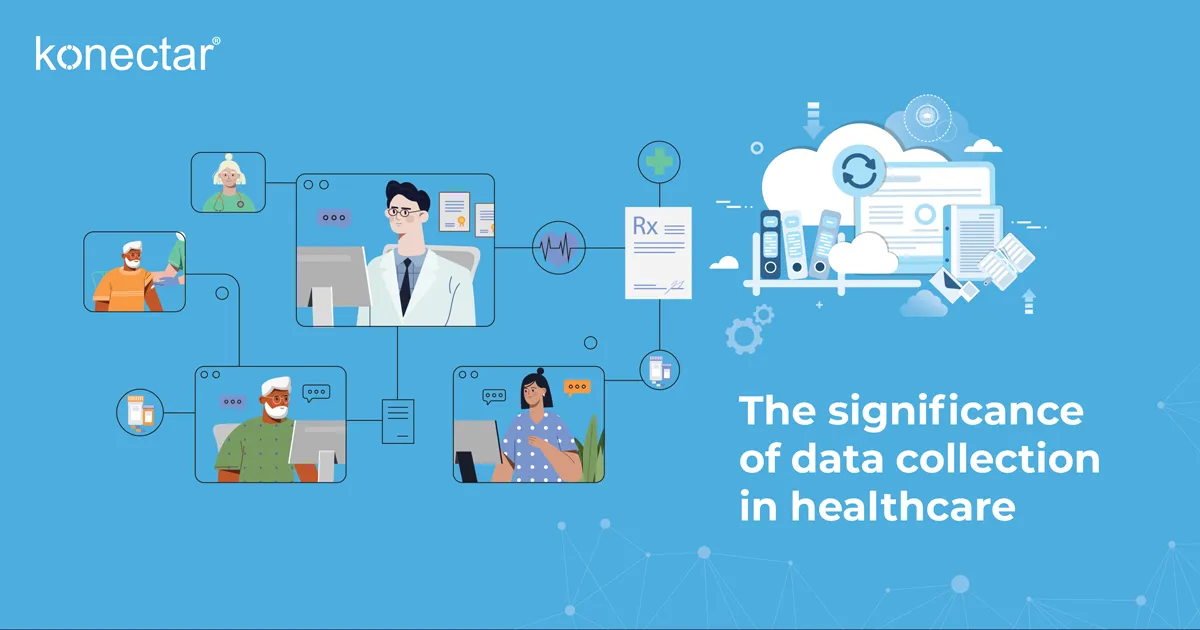
Data collection is a crucial process in healthcare settings. In clinics and hospitals, it enables healthcare providers to track and analyze patients’ health, make informed decisions and enhance the quality of care. By analyzing demographic and epidemiological data, healthcare companies can anticipate future healthcare needs, allocate resources efficiently, and prioritize interventions based on population health priorities.
Researchers on the other hand use data to study disease patterns, evaluate treatment outcomes, and develop new therapies. Understanding how this data is collected—and the processes that ensure its quality—is critical to interpreting its real-world impact.
In this article:
Data collection in healthcare involves gathering, recording, and analyzing information pertinent to patient care, administrative processes, research, and other aspects of healthcare delivery. This includes a range of activities, from capturing patient demographics and medical histories to tracking treatment outcomes and operational metrics. In essence, data collection serves as the foundation upon which informed decisions are made, interventions are planned, and improvements are measured within the healthcare system.
Types of Healthcare Data Collected in Healthcare Settings
Healthcare data can be segregated into various categories based on the purpose for which it is meant for such as clinical practice, research, and management. These categories include:
- Electronic Medical Records (EMRs) and Electronic Healthcare Records (EHRs) data
Electronic health records (EHR) and electronic medical records (EMR) are two pivotal types of healthcare data used in patient information management. EMR data is the record of patients’ medical and treatment histories specific to one practice. EHR data, on the other hand, provides a more comprehensive view of a patient’s health, which can be shared securely among various healthcare providers for informed decision-making and improved patient outcomes.
- Administrative Data
Administrative data is any info that is collected using health technologies during interaction with patients, during doctor visits or hospital stays. It's mainly used for billing but can also help analyze healthcare delivery and costs.
- Claims Data
Claims data tracks billable interactions between patients and the healthcare system. It includes diagnoses, procedures, costs, and where services were given. It's crucial for billing, analyzing trends, and ensuring accurate reimbursement.
- Disease Registries
Registries collect data on patients with specific conditions. They're vital for tracking diseases and monitoring patient conditions. These range from simple spreadsheets used by a few doctors to online databases shared across organizations.
- Clinical Trial Data
This data comes from studies testing medical treatments in patients. It helps find new treatments, improve patient care, and enhance healthcare professionals' performance. Clinical trial data is crucial for research and is often published for wider use.
- Genomic Data
Genomic data delves into an organism's genetic makeup. It's used in genetics research to understand diseases better, diagnose genetic conditions, and develop new medicines. Genomic data is at the forefront of cutting-edge medical research.
Data Collection Methods

There are various types of data collection methods in healthcare which vary depending on the type of information being collected, the context of care delivery, and the available resources. Some of the common modes and methods include:
- Electronic Health Records (EHRs)
EHR systems allow to capture and store patient information digitally, which further facilitates easy access, retrieval, and sharing of healthcare data.
- Surveys and Questionnaires
Surveys and questionnaires are other methods of collecting data in which information is directly from patients, caregivers, or healthcare professionals to assess satisfaction levels, health behaviors, and clinical outcomes.
- Medical Devices and Sensors
Medical devices and sensors, such as wearable monitors, implantable devices, and remote monitoring technologies, helps to collect real-time physiological data to monitor patients' health status and their adherence to treatment regimens.
- Health Registries
Health registries are databases that systematically collect and maintain information on specific populations, conditions, or treatments, enabling population-level surveillance, disease tracking, and quality monitoring.
- Chart Reviews and Audits
Chart reviews and audits involve reviewing patient records, charts, and documentation to assess compliance with clinical guidelines, identify areas for improvement, and ensure data accuracy and completeness.
FAQs
- What is the impact of big data analytics on healthcare decision-making?
Big data analytics enables healthcare providers to analyze large datasets to uncover patterns, predict outcomes, and make informed decisions. This leads to improved patient care and operational efficiency.
- What are the ethical considerations associated with healthcare data collection?
Ethical considerations in healthcare data collection include informed consent, data ownership, and data usage. Healthcare providers must obtain patient consent for data collection, storage, and use, ensuring transparency and respect for patient autonomy. Additionally, healthcare organizations need to uphold ethical principles of beneficence, non-maleficence, and justice in data collection.
- What role does interoperability play in healthcare data collection?
Interoperability refers to the healthcare systems' or devices' ability to exchange and use data seamlessly. It facilitates the integration of data from various sources, such as EHRs, medical devices, and health registries, which enables comprehensive patient care coordination, data sharing, and analytics.


Recommended