24-10-2024
How HCP Engagement Software Transforms Medical Affairs Strategies
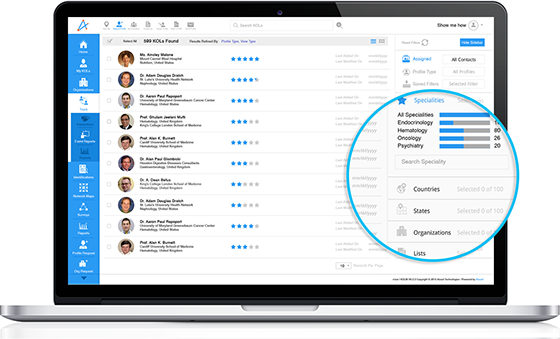
HCP engagement software has become an essential tool for life science teams aiming to build meaningful and compliant relationships with healthcare professionals. Such platforms enable companies to gain actionable insights on HCPs, obtain detailed profiles, streamline interactions, and track collaboration outcomes. By centralizing engagement data, life science teams can identify key opinion leaders, track collaboration outcomes.
This article explains how organizations aiming to strengthen their scientific presence and enhance field effectiveness can adopt a robust HCP engagement platform for strategic advantage.
In this article:
Enhancing HCP Engagement Through Advanced Analytics
The first step in HCP engagement is accurately identifying healthcare professionals who align with the organization's goals. An HCP engagement software streamlines this process by crawling the vast database across different sources to identify HCPs that meet the purpose.
The analytical tools further help medical affairs teams to filter medical experts based on specific criteria such as specialty, location, publication history, involvement in clinical trials, and participation in conferences. With such detailed analytics, teams can ensure they are engaging with the most relevant HCPs.
HCP Engagement Software with Integrated CRM
An HCP engagement platform that comes integrated with a CRM (Customer Relationship Management) tool helps to enhance the efficiency and productivity of the medical affairs. One of the most significant features of it is centralized data management, which consolidates all relevant information about HCPs into a single database.
This centralized approach enables medical affairs teams to access comprehensive HCP profiles, gain insights on HCP landscape and develop personalized communication without the risk of data loss or duplication.
Interaction tracking is another essential feature of the CRM tool as it helps to maintain detailed logs of every interaction with HCPs, including emails, calls, meetings, and events. This enables teams to gauge the effectiveness of their communication strategies and ensure timely follow-ups with HCPs.
Overcoming Implementation Challenges
While the benefits of HCP engagement software are numerous, organizations may face challenges when implementing them. Common hurdles include resistance to change, lack of training, and integration issues with existing systems. To overcome these challenges, organizations should initiate a change in management strategies and provide adequate training to their teams.
This will help the medical affairs team to maximize the benefits of their HCP engagement platform and drive the company's objectives to success. If you are looking for an omnichannel HCP engagement platform that has all the features described above, consider exploring konectar, an AI-powered HCP Management solution. For more details, request a demo!
FAQs
-
What is HCP engagement software, and why is it important for medical affairs?
HCP engagement software is a platform designed to help medical affairs help identify relevant HCPs (Healthcare Professionals) for probable collaboration, manage interactions, and track engagement. It is important as it helps in discovering the right medical experts from the vast data and engage them for defined objectives such as clinical trials, speaking at conferences, advisory boards etc.
-
How does HCP engagement software help identify the right HCPs?
HCP engagement platforms use advanced analytics to filter and identify HCPs based on parameters such as specialty, location, influence, and involvement in clinical trials, publications, or conferences.
-
What role does CRM play in HCP engagement software?
An HCP engagement software that integrates customer relationship management (CRM) helps consolidate all HCP data in one place. It also comes with various features that make it easier for life sciences teams to gain insights into the healthcare landscape, manage interactions, track HCP contracts, and maintain detailed records.


Recommended