04-02-2025
MSL Engagement Strategies: Building Strong Relationships with KOLs
The role of Medical Science Liaisons (MSLs) has evolved into a crucial function within the pharmaceutical, biotechnology, and medical device industries.
As trusted scientific advisors, they engage with KOLs, regulatory bodies, and stakeholders to facilitate medical education, clinical trial collaborations, and data-driven discussions about disease management and treatment innovations.
In this article:
Establishing Initial Contact
Building strong relationships with Key Opinion Leaders begins with a well-planned and strategic initial outreach. The first interaction sets the tone for future engagement strategies, making it essential for MSLs to approach KOLs with professionalism, credibility, and value-driven communication.
Successful KOL marketing hinges on a combination of personalization, clear communication, and choosing the right channel for outreach. By leveraging KOL networks and digital engagement, MSLs can enhance their initial interactions with KOLs.
Best Practices for Initial Outreach and Introduction
The first impression an MSL makes can significantly influence the willingness of a key opinion leader to engage in future discussions.
To establish a strong foundation, MSLs should:
Conduct thorough research on the KOL’s background, including their areas of expertise, recent publications, speaking engagements, and clinical interests.
Clearly define the purpose of the outreach, ensuring that it aligns with the KOL’s scientific interests rather than appearing as a generic request.
Introduce themselves with credibility, highlighting their scientific background and role in facilitating medical discussions rather than commercial promotions.
Communicate the value of engagement, emphasizing how collaboration can benefit the KOL’s research, clinical practice, or broader scientific contributions.
By integrating digital KOL engagement approaches, MSLs can create a more efficient, data-driven outreach strategy that resonates with key opinion leaders.
Personalization in Communication
A personalized approach is key to building trust and demonstrating a genuine interest in KOL’s work. Instead of using generic templates, MSLs should tailor their messaging to reflect the KOL’s specific expertise and recent contributions to the field.
This can be achieved by:
Referencing recent research or presentations by the KOL to establish a relevant discussion point.
Aligning the conversation with the KOL’s interests, such as ongoing clinical trials, unmet medical needs, or new treatment advancements.
Adopting a collaborative tone, positioning the MSL as a scientific partner rather than a representative with a predefined agenda.
Being respectful of the KOL’s time, keeping initial outreach concise, clear, and to the point while leaving room for further discussion at their convenience.
Choosing the Right Channel for Engagement
Selecting the most appropriate communication channel is crucial in ensuring a positive response. Key opinion leaders have different preferences when it comes to professional interactions, so MSLs should consider the following:
Email communication, which is often the preferred method for an initial introduction, allows KOLs to respond at their convenience.
Conference meetings and networking events provide a more natural setting for face-to-face engagement and relationship building.
Professional networking platforms, where MSLs can engage with KOLs by commenting on their research or sharing relevant scientific content before reaching out directly.
Virtual meetings and webinars, particularly for geographically dispersed KOLs, offer an efficient way to establish a connection and discuss scientific insights.
By combining strategic outreach, personalized communication, and the right engagement channel, MSLs can lay the groundwork for a productive and long-term relationship with KOLs, ensuring meaningful scientific exchange and collaboration.
konectar: Supporting MSLs in Building Strong KOL Relationships
As the role of Medical Science Liaisons continues to expand, managing KOL relationships across regions, therapy areas, and multiple touchpoints has become increasingly complex. MSLs are expected to maintain long-term scientific relationships while balancing compliance, consistency, and growing stakeholder expectations.
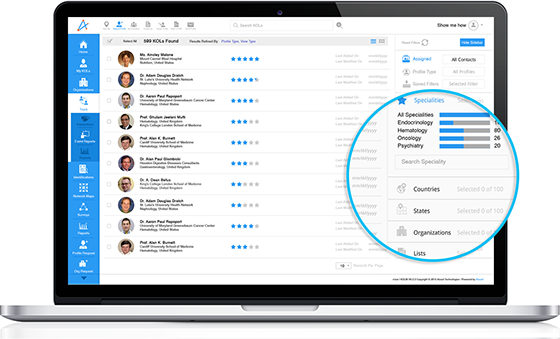
konectar supports MSLs by providing a structured and unified view of the KOL landscape. Instead of relying on fragmented notes, spreadsheets, or disconnected systems, MSLs can access a centralized overview of their KOL engagements, helping them plan interactions more effectively and maintain continuity across conversations.
With better visibility into past discussions, ongoing collaborations, and engagement patterns, MSLs are able to focus on meaningful scientific exchange rather than administrative follow-ups. This clarity enables more informed preparation for KOL interactions, supports consistent communication, and helps ensure that engagements remain aligned with medical and scientific objectives.
By simplifying how KOL information is organized and accessed, konectar enables MSLs to spend more time strengthening trusted scientific relationships and less time managing operational complexity. To know more, schedule a demo today! .
FAQs
- What is the role of Medical Science Liaisons (MSLs) in KOL engagement?
MSLs are scientific experts who engage with KOLs to provide evidence-based medical information, support clinical trials, and facilitate knowledge sharing.
- How do MSLs build strong relationships with KOLs?
MSLs build relationships with KOLs through personalized engagement, scientific discussions, and long-term collaboration.
- What are the key strategies for successful MSL-KOL engagement?
Key strategies include personalized outreach based on KOL interests, regular scientific interactions through advisory boards, symposiums, and one-on-one meetings, leveraging AI-driven analytics to optimize engagement, and ensuring compliance with ethical guidelines such as the Sunshine Act.
- What are the biggest challenges in MSL-KOL engagement?
Common challenges include maintaining compliance with global regulatory standards, ensuring unbiased KOL selection and engagement, balancing engagement approaches, and managing cross-functional coordination between medical affairs and commercial teams.
- What are some best practices for initial outreach to KOLs?
Best practices include conducting thorough KOL research before outreach, using personalized communication instead of generic messages, choosing the right engagement channel, and clearly defining the purpose of engagement.


Recommended