25-04-2024
Effective Healthcare Marketing Strategies for Driving Pharma Sales
The healthcare landscape has become competitive and traditional sales tactics alone can’t sustain long-term growth. Physicians, patients, and healthcare systems are more informed, digitally connected, and value-driven than ever. For pharma companies, the key to success lies in blending data-driven marketing with genuine scientific engagement. Here’s a look at the most effective healthcare marketing strategies that can help drive pharma sales while maintaining credibility, compliance, and customer trust.
1. Adopt an Omnichannel Marketing Approach
Healthcare professionals interact across multiple channels in-person meetings, emails, webinars, social media, conferences, and peer discussions. Ensure that you deliver unified messages across platforms. An omnichannel approach ensures your brand message stays consistent whether a doctor reads your email, attends a webinar, or meets your MSL at a conference.
2. Leverage Data and AI for Identifying the Right KOLs
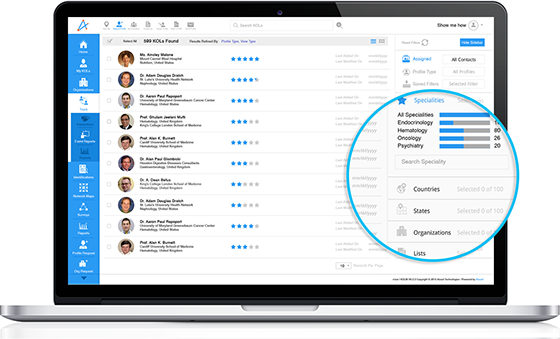
Pharma marketing is shifting from volume to value. Instead of pushing content, companies now tailor experiences using data insights. AI-driven KOL Management platforms such as konectar enable marketers to identify the right HCPs and KOLs to engage with as well as efficiently record and track HCP interactions.
3. Build Stronger HCP Relationships Through Education
Instead of focusing solely on direct product promotion, pharma marketing should prioritize education and value creation. By offering value through scientific webinars, clinical updates, and peer-reviewed insights, you allow healthcare professionals to stay informed while strengthening trust in your brand. This helps foster stronger relationships, better brand recall, and increased prescription intent.
4. Create High-Value Digital Content
High-quality, evidence-based content is essential for building visibility, credibility, and trust in healthcare marketing. Organizations can develop blog series on emerging therapies and innovations, case studies that showcase real-world outcomes, whitepapers or ebooks analyzing data trends in Medical Affairs, and infographics or short videos that simplify complex concepts.
5. Use Social Media Strategically
Social media platforms provide powerful opportunities for thought leadership and HCP networking. When used responsibly, these channels can expand reach and strengthen brand reputation. Sharing bite-sized scientific insights, conference takeaways, clinical milestones, and patient impact stories allows your organization to engage meaningfully with HCPs, humanizes your brand and reinforces credibility.
6. Optimize the Patient Experience
Modern pharma marketing extends beyond prescribers to focus on patients as well. Offering patient-centric support, education, and empathy strengthens overall brand impact. Providing tools for treatment adherence or disease awareness, sharing patient success stories that highlight therapeutic value, and ensuring all communication respects privacy and regulatory standards enhances patient trust. A well-informed patient community not only improves therapy adoption but also indirectly contributes to stronger sales outcomes.
7. Integrate Insights from Field Teams
Medical Science Liaisons (MSLs) are invaluable sources of real-world insights into physician behavior and unmet needs. Integrating these observations into your CRM or AI-driven platforms allows marketing teams to shape content, campaigns, and engagement priorities more effectively. Leveraging frontline knowledge ensures strategies are grounded in actual market dynamics, improving both relevance and impact.
8. Measure What Matters
Effective healthcare marketing requires tracking impact, not just clicks. Measurement should reflect how campaigns influence awareness, education, and prescription behavior. Analytics can be used to evaluate HCP sentiment and beliefs towards your products. Insights into your scientific share of voice also help understand your brand’s impact and standing against the competitors and take steps to improve visibility and influence in the scientific community.
Final Thoughts
Driving pharma sales today requires insight, empathy, and precision. Effective marketing becomes less about pushing products and more about shaping informed decisions, fostering trust, and driving measurable outcomes. Organizations that master this balance position themselves not just as market leaders, but as partners in advancing healthcare.
FAQs
- Why is marketing important in healthcare?
Marketing is crucial in healthcare to raise awareness among patients and healthcare professionals. It involves educating them about medical products and services, building trust in healthcare brands, and ensuring access to innovative treatments.
- What is market access in healthcare?
Market access in healthcare involves navigating regulations and policies to ensure patients and healthcare professionals can access medical products and services.
- What are healthcare marketing trends?
Current trends include digital marketing strategies, personalized and targeted approaches, and a focus on patient-centric care to enhance communication, engagement, and access to information for patients and healthcare professionals.
- What is B2B healthcare marketing?
B2B healthcare marketing targets businesses such as hospitals, medical device manufacturers, and clinics, aiming to understand their needs and develop strategies to communicate the value of products and services effectively.


Recommended