
How do new drugs perform once they hit the market? Are patients benefiting as expected from their treatments? These are some of the questions medical affairs teams are trying to answer using data, and lots of it. Data analytics in medical affairs has become a key driver in shaping healthcare strategies, especially with the rise of real-world evidence (RWE). ... Read this blog

AI in the pharmaceutical industry is no longer some futuristic concept, in fact, it’s becoming part of the daily toolkit for many pharma teams, especially in Medical Affairs. With responsibilities that bridge science, clinical practice, and healthcare communication, Medical Affairs professionals are increasingly leaning on AI to gain efficiency and clarity in an ocean of data. ... Read this blog
Scientific innovation in cancer research is only as impactful as its ability to reach the right audience at the right time. As digital platforms mature into critical tools for knowledge exchange, Digital Opinion Leaders (DOLs) have become essential figures, translating insights in hematology oncology into meaningful dialogue and expanding the reach of scientific discovery.
... Read this blog
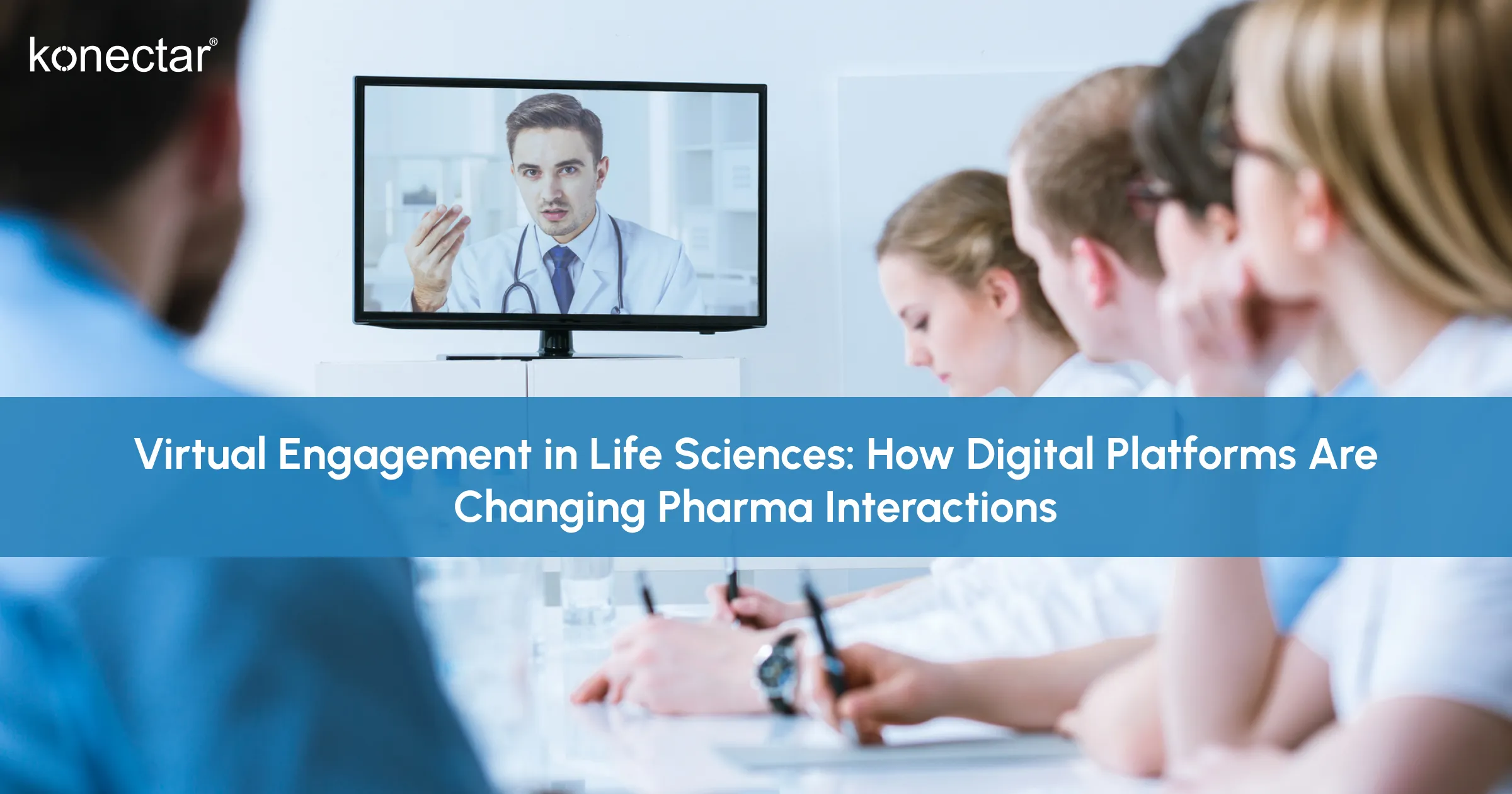
The pace at which life sciences has expanded, both scientifically and commercially, has quickly outgrown the limits of traditional engagement. This scale of innovation included new therapies, expanded geographical boundaries, and global trials, prompting life sciences companies to rethink how they connect with stakeholders.
... Read this blog
Compliance today isn’t just a box to check—it’s the backbone of every successful HCP engagement-pharma strategy. For pharmaceutical companies, biotech firms, and others in the healthcare space, navigating the fine line between impactful outreach and regulatory boundaries is critical.
... Read this blog
Traditional methods of engaging Healthcare Professionals (HCPs) can’t keep pace with the rapid digital transformation in healthcare. These channels feel disconnected and lack the speed and personalization healthcare providers expect today. ... Read this blog

In an industry where precision can mean the difference between success and missed opportunity, how can life sciences teams ensure they are engaging the right healthcare professionals (HCPs)? The answer lies in data-driven insights. The need for precise details further led to the adoption of artificial intelligence in healthcare. Novel technologies help pharmaceutical companies identify, connect with, and collaborate with HCPs in a more strategic and impactful way. ... Read this blog
The complexity of cancer treatment plans, the necessity of early detection, and the emergence of novel treatment methods require healthcare organizations to adopt more efficient HCP management strategies. Engaging and managing healthcare professionals (HCPs) effectively is critical for driving innovation in drug development, accelerating clinical research, and ensuring the successful adoption of new therapies. ... Read this blog

In the digital healthcare ecosystem, authors serve as influential and trusted voices who contribute significantly to shaping public perception, driving critical conversations, and influencing decision-making within the industry.
... Read this blog
Stem cell therapeutics is one of the promising areas of research in modern medicine. Stem cells, with their ability to differentiate into specialized cell types and potentially regenerate damaged tissues, hold immense potential for treating various conditions. ... Read this blog

Medical Affairs serves as a connection between several domains of the healthcare ecosystem, such as Biotech Organizations, Pharmaceutical Companies, Healthcare Professionals (HCPs), Medical Devices companies, and Healthcare Organizations (HCOs). These individuals are often called in to respond to questions that require medical expertise, emphasizing a product’s medical and scientific integrity.
... Read this blog
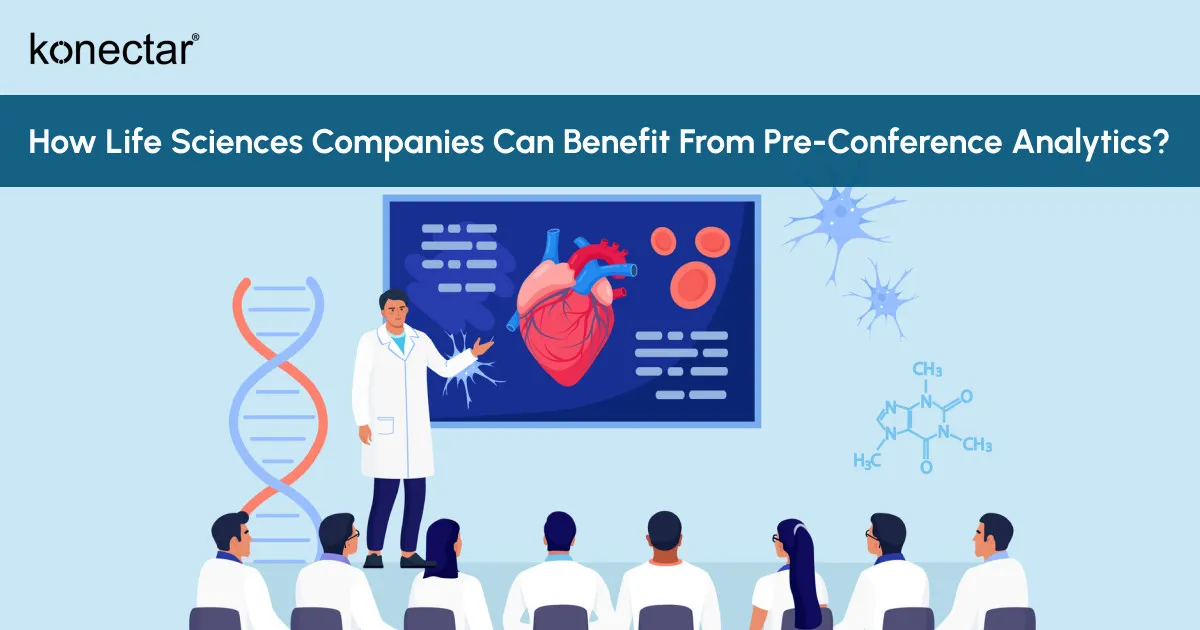
Medical conferences serve as an important avenue for pharmaceutical teams to learn about the latest innovations in healthcare, including new treatments, technologies, medical devices, and ongoing and completed clinical trials. They also offer a unique opportunity for them to interact with HCPs, gather insights, and build lasting relationships. ... Read this blog
Recommended